
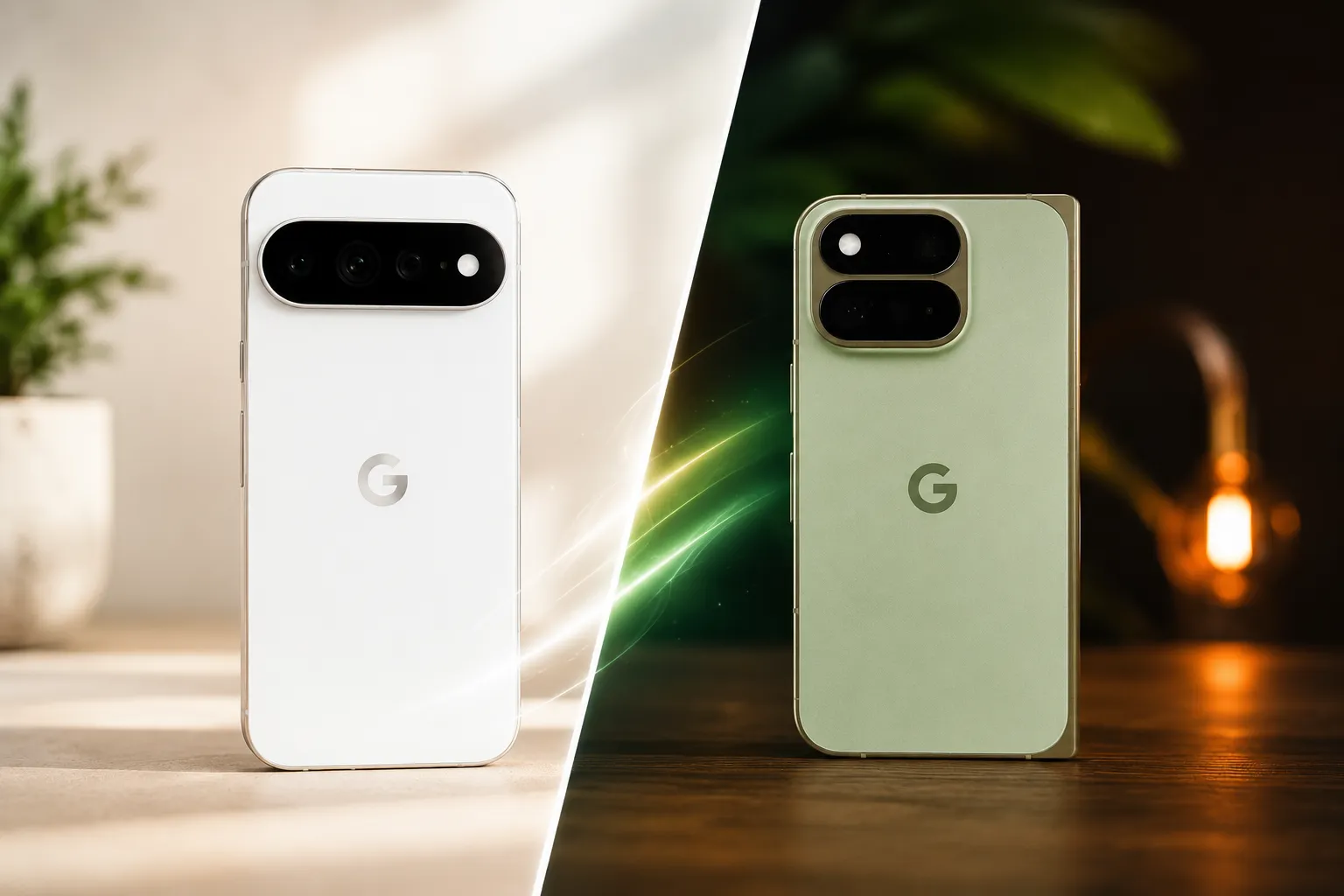
Google lifted the veil on the Pixel 11 on 12 August 2026, at its Made by Google event in New York. Four models make up the new family: the Pixel 11, Pixel 11 Pro, Pixel 11 Pro XL and Pixel 11 Pro Fold. All of them run the new in-house Tensor G6 chip, now start at 256GB of storage and ship with Android 17. Pre-orders are already open, with availability set for 20 August 2026. The one sticking point: prices climb by 100 dollars across almost the entire range.
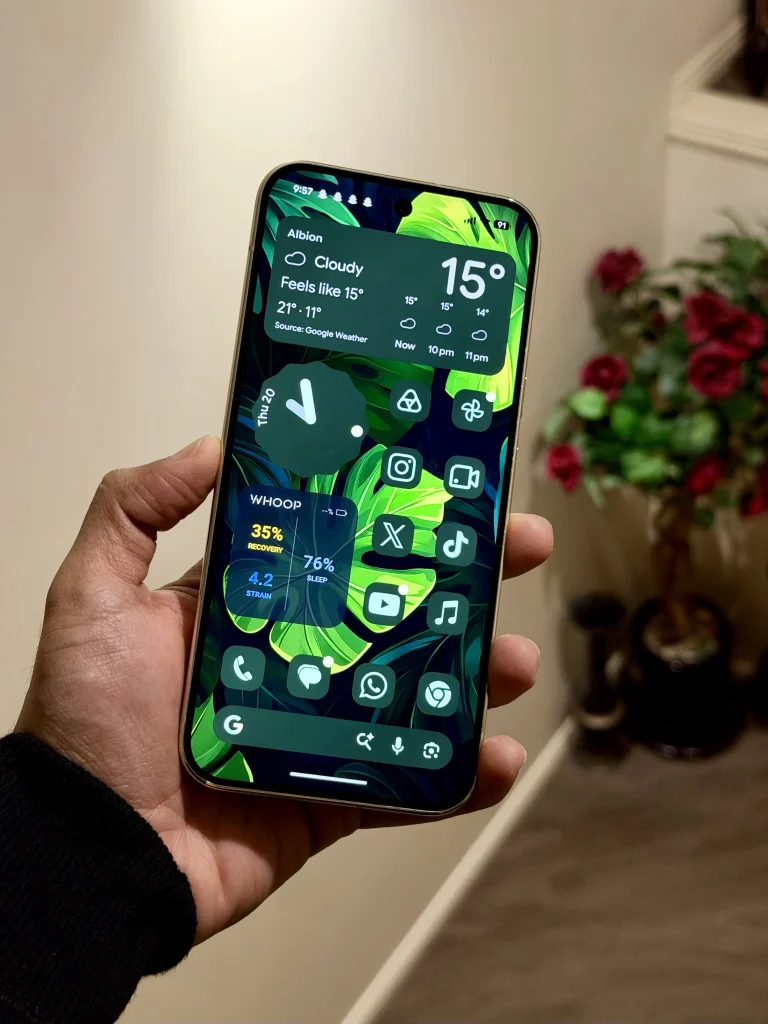
Pixel 11: a tighter four-model line-up
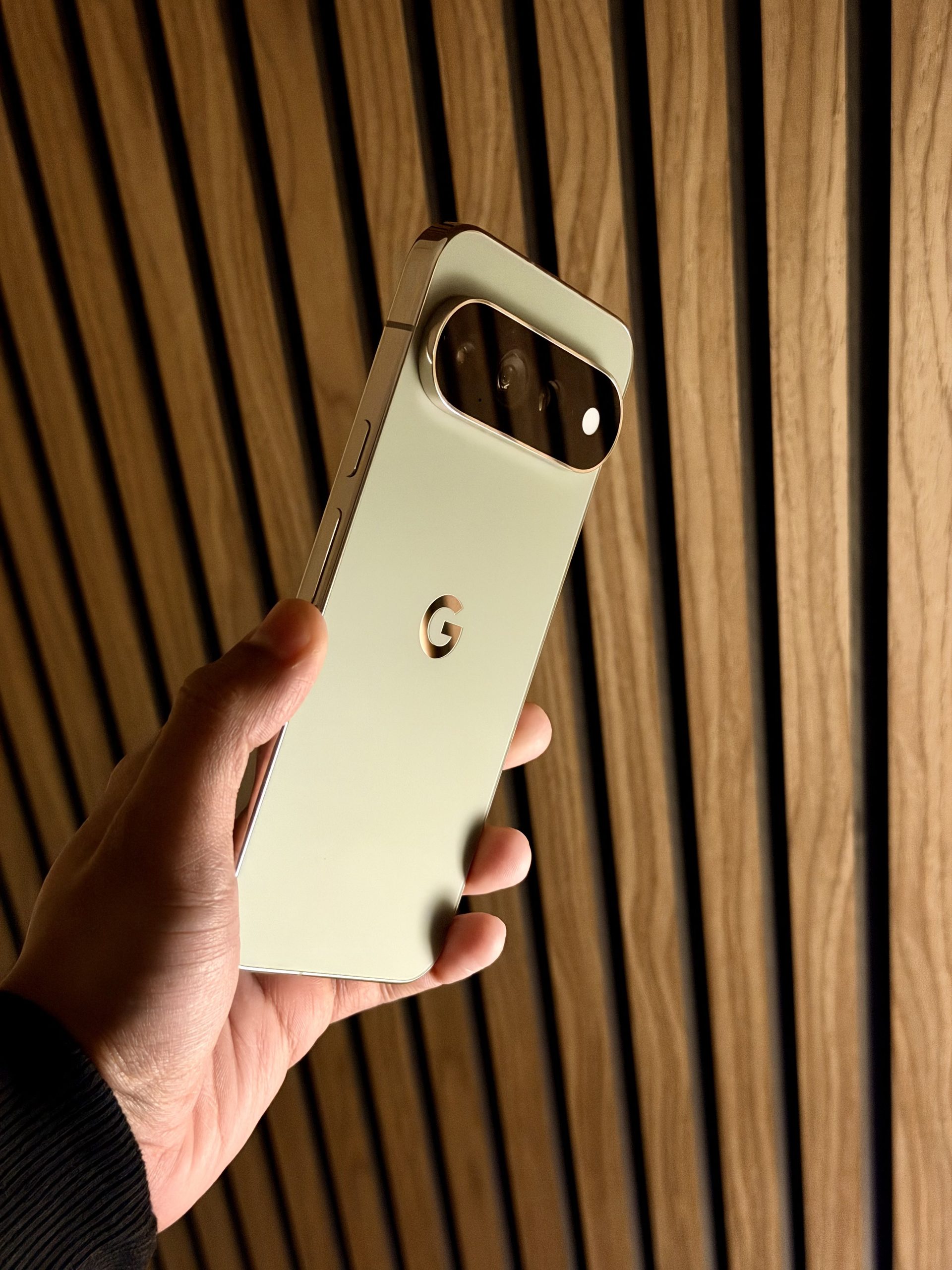
The standard Pixel 11 keeps the silhouette of its predecessor, but Google has considerably slimmed down the camera bar that runs across the back. It is now said to be more than 40% thinner and adopts an all-glass surface stretching the full width of the chassis. It looks like a cosmetic detail, but it changes how the phone sits in the hand and reduces rocking when it rests on a table.
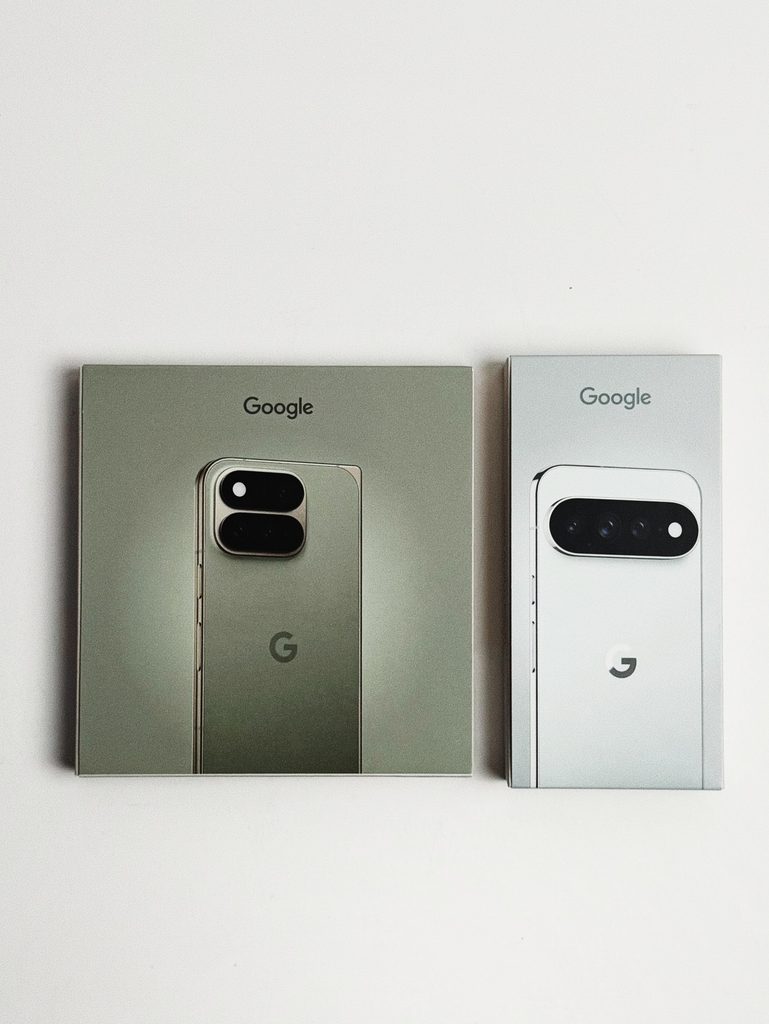
On storage, Google has made a clean break: the 128GB tier disappears. The Pixel 11 starts at 256GB, which partly explains the price increase. It comes in four colours: Frost, Hibiscus, Pistachio and Obsidian.
The Pro models step up on durability. Google claims improved drop resistance and, above all, a new anti-scratch display coating said to deliver more than twice the scratch resistance of the Pixel 10 Pro. The colours change too: Canyon, Fog, Olive and Obsidian, the latter arriving this year in a fully matte finish.
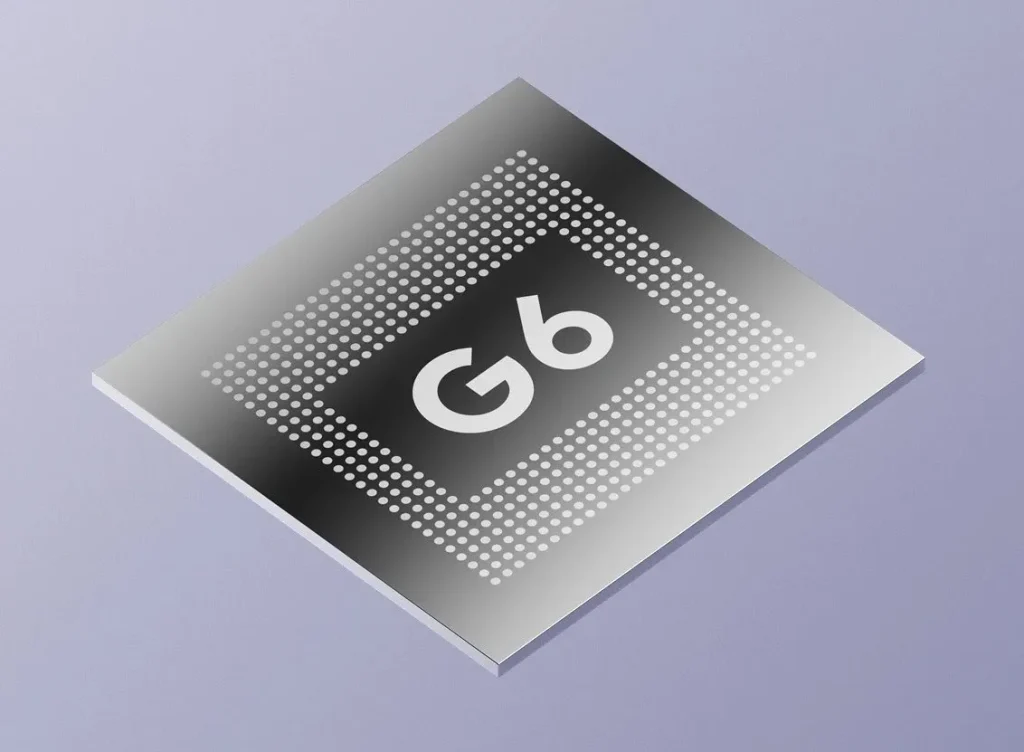
Tensor G6: Google’s first 2nm chip
This is the genuine technical news of the generation. The Tensor G6 is Google’s first processor built on TSMC’s N2 node, meaning a 2-nanometre process. For context, the Tensor G5 was built on 3nm. Shrinking the process lets you fit more transistors into the same area, so you gain performance at equal power draw, or draw less power at equal performance.
Google is claiming concrete gains: 25% faster web browsing, 15% faster app launches, and above all 50% more computing power for the TPU, the unit dedicated to artificial intelligence. That last figure matters most to Google’s strategy: the TPU runs Gemini Nano directly on the device, without routing through servers.
The Tensor G6 is paired with the Titan M3, a dedicated security coprocessor. It isolates sensitive elements such as encryption keys and biometric data from the rest of the system, an approach comparable to Apple’s Secure Enclave.
Pixel 11 Pro: sharper display, revised cameras, Qi2.2 charging
The Pixel 11 Pro sticks to a 6.3-inch diagonal, but the panel changes. It is an LTPO OLED running at 2856 x 1280 pixels, with an adaptive refresh range spanning 1 to 120Hz and a peak brightness rated at 3,600 nits. LTPO lets the display drop to 1Hz on a static image, which saves a meaningful amount of battery.
Memory splits into two tiers. The 256GB versions get 12GB of RAM, while the 512GB and 1TB models step up to 16GB. That gap makes sense in practice: on-device AI features are hungry for RAM.
On the camera side, the Pixel 11 Pro and Pro XL share a trio made up of a 50MP main sensor, a 48MP ultrawide and a 48MP telephoto. Up front, the selfie camera climbs to 42MP. Both models also gain Qi2.2 support, the latest revision of the magnetic wireless charging standard.
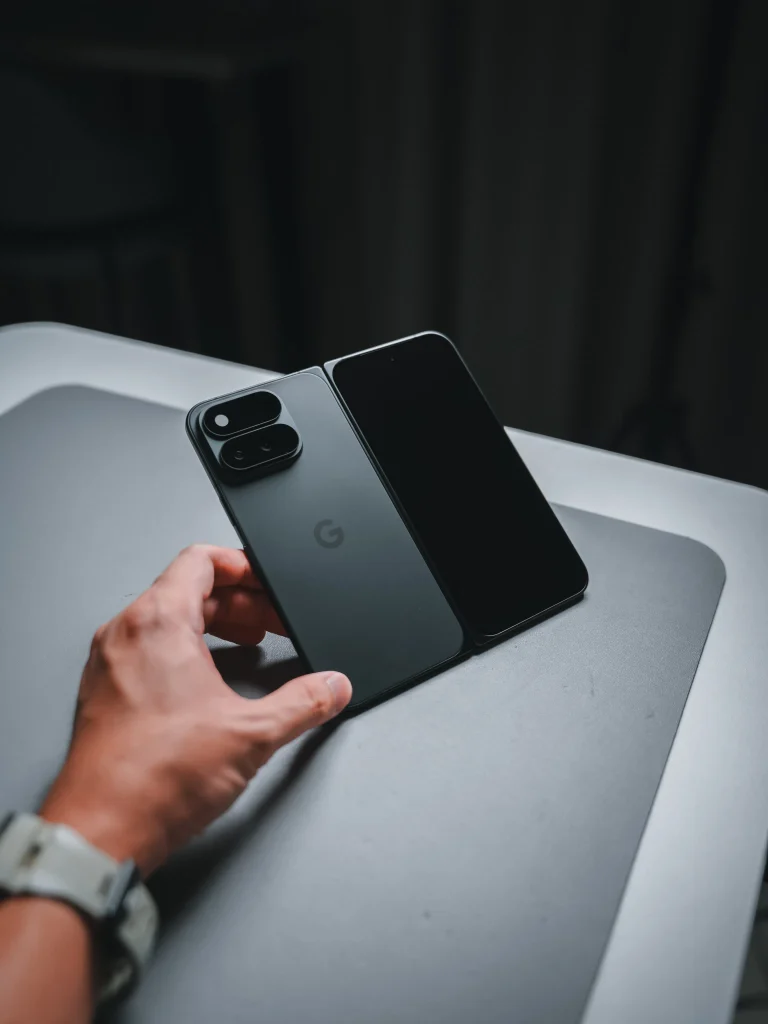
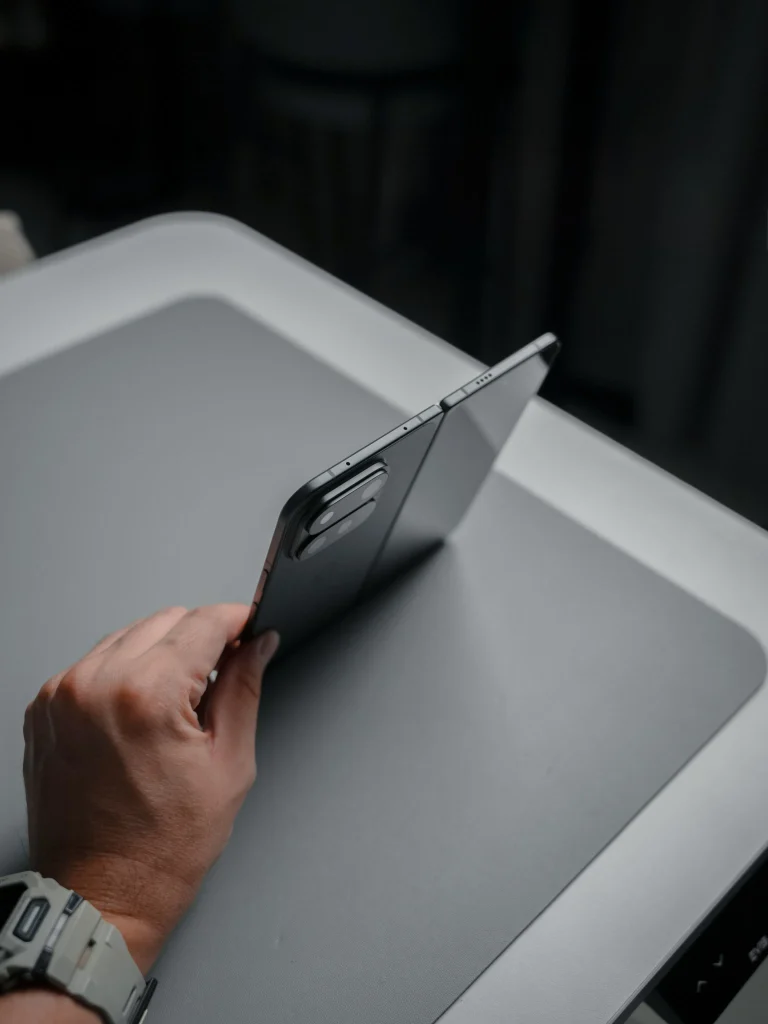
Pixel 11 Pro Fold: lighter, thinner, noticeably tougher
Google’s foldable improves mostly on the mechanical side. The Pixel 11 Pro Fold is said to be nearly 10% lighter and almost 1mm thinner than the Pixel 10 Pro Fold, with slimmer display bezels. It carries a 48MP main sensor and 30x Super Zoom.
Durability is the real selling point. Google keeps the IP68 rating against water and dust, adds a glass-fibre composite back cover designed to better resist cracking, and reworks the hinge to better protect the inner display. The company says the combination makes the model three times more durable than its predecessor. The Pro Fold comes in Olive and Obsidian.
Prices are up: where the increase comes from
This is the point that will spark debate. The Pixel 11 starts at 899 dollars, against 799 dollars for the Pixel 10, a 100-dollar increase. The Pixel 11 Pro moves to 1,099 dollars (against 999 dollars for the Pixel 10 Pro) and the Pixel 11 Pro XL lands at 1,299 dollars.
Two factors explain the rise. First, dropping the 128GB tier: you pay more, but you get twice the entry-level storage. Second, the RAM supply shortage affecting the whole sector, which is pushing manufacturers to pass component costs on to retail prices. Google is not alone here, but it is among the first to state it publicly at a mainstream launch.
European pricing was not detailed at announcement time. In the meantime, the Pixel 10 Pro remains available and should see its price fall over the coming weeks, a sensible option if the Tensor G6 does not feel essential to you.
Check the Pixel 10 Pro price on Amazon
What it changes for you
If you own a Pixel 9 or older, the jump is real: a 2nm process, a brighter display, doubled storage and noticeably faster on-device AI. Upgrading from a Pixel 10 is far less obvious. The announced gains on browsing and app launches, in the 15 to 25% range, are barely perceptible day to day on a phone that is already smooth.
The real argument this generation lies in durability and storage. A display twice as scratch-resistant and 256GB as standard are improvements you will notice across the life of the device, more than a percentage of raw power.
Finally, bear in mind that the performance figures come from Google. Independent measurements from the first reviews, expected around 20 August, will show whether the move to 2nm delivers, particularly on battery life and thermal management, two historically weak points of Tensor chips.
The bottom line
The Pixel 11 is not a revolution, but a solid consolidation: a chip finally built on par with the competition, doubled base storage and tougher bodies. The 100-dollar increase remains hard to swallow, even when justified by the extra memory and the component shortage. See you on 20 August for the first independent reviews.
Does the price rise give you pause, or is the Tensor G6 enough to win you over? Tell us in the comments, and browse all our Android smartphone coverage on Wanda-techs.com.
As an Amazon Associate, Wanda-techs earns from qualifying purchases. This affects neither our independent analysis nor the price you pay.
Read also:
- Google Pixel 11: higher price, Tensor G6 and Gemini take center stage
- Pixel Watch 5: Google focuses on blood pressure and insulin resistance
Share this content: