
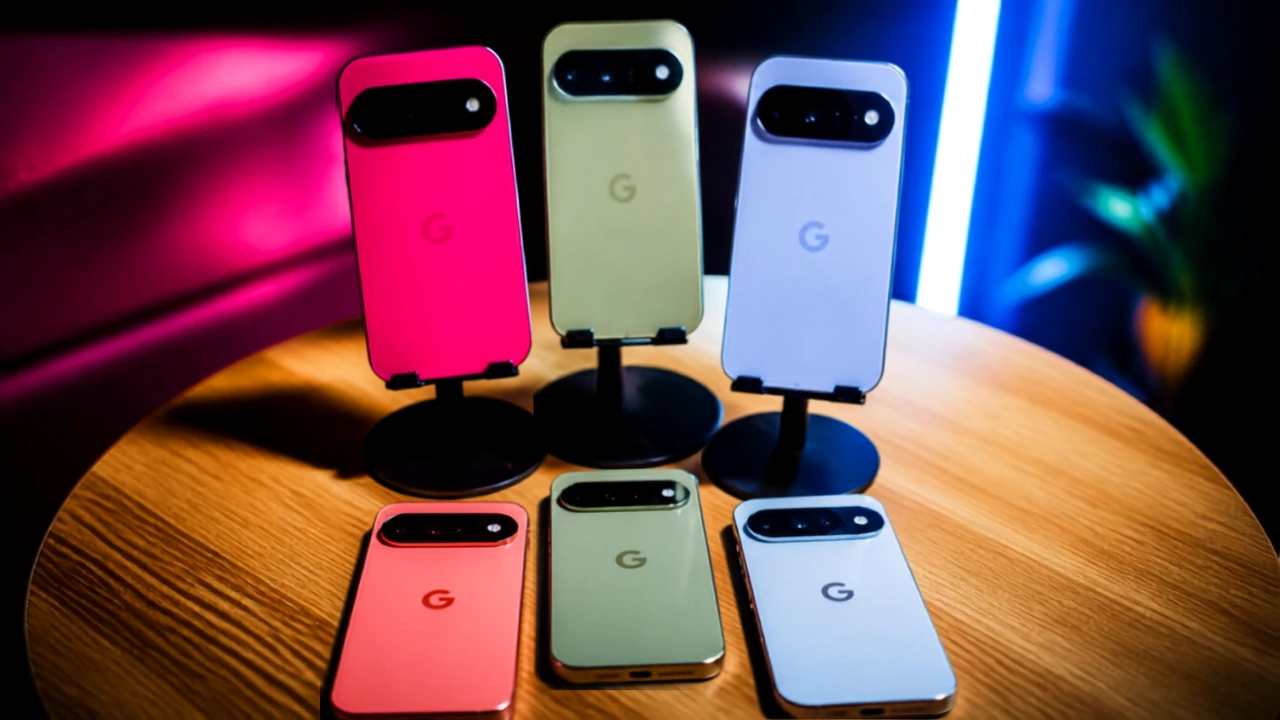
The Google Pixel 11 is no longer a promise: as of Thursday 20 August 2026, Google’s new smartphone series is officially on sale in more than twenty countries. Unveiled on 12 August at the Made by Google event, the line-up includes four models, from the standard Pixel 11 to the foldable Pixel 11 Pro Fold, alongside the Pixel Watch 5. The pre-orders opened last week have now given way to genuine availability in stores and through carriers. Here is the full European pricing, the differences from the previous generation, and what this launch actually changes for you.
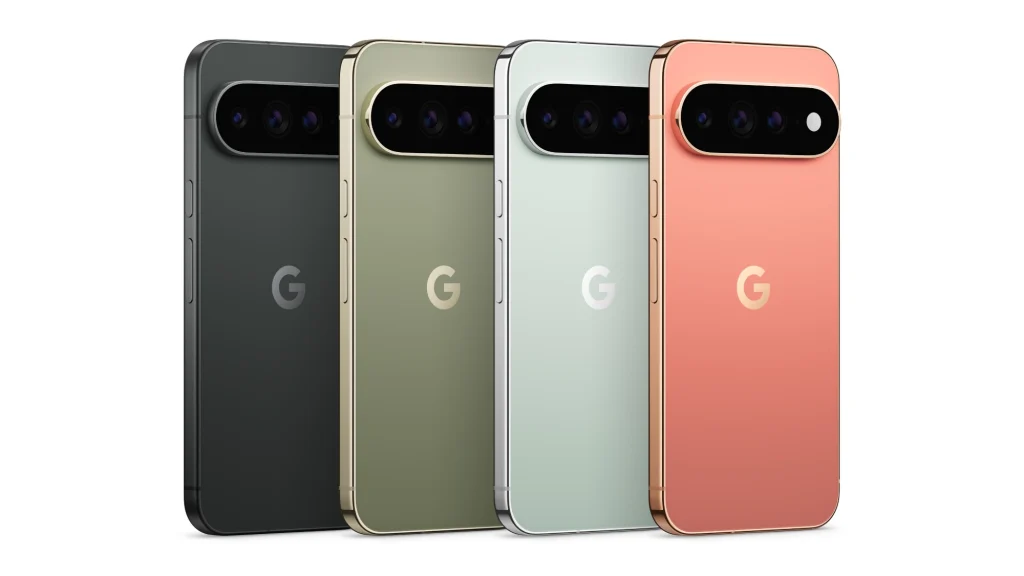
Where the Google Pixel 11 is available: the full country list
Google has launched its 11 series in exactly the same markets as the Pixel 10 range. Put simply, if you could officially buy a Pixel 10 in your country, you can now buy a Pixel 11 there too.
The official list covers Australia, Austria, Belgium, Canada, Czechia, Denmark, Finland, France, Germany, India, Ireland, Italy, Japan, the Netherlands, Norway, Poland, Portugal, Singapore, Spain, Sweden, Switzerland, Taiwan, the United Kingdom and the United States (excluding Puerto Rico).
One important caveat applies to the foldable model. The Pixel 11 Pro Fold is not sold in Czechia, Italy, Poland, Portugal or Spain. This kind of segmentation is nothing new for Google, which traditionally restricts its foldable devices to markets where the format has shown enough commercial traction.
Google Pixel 11 prices in euros, model by model
This is naturally the point most readers care about. Here is the official eurozone pricing as published by Google at launch.
| Model | Configuration | Price (eurozone) |
|---|---|---|
| Pixel 11 | 12 GB / 256 GB | 1,000 euros |
| Pixel 11 | 12 GB / 512 GB | 1,130 euros |
| Pixel 11 Pro | 12 GB / 256 GB | 1,200 euros |
| Pixel 11 Pro | 16 GB / 512 GB | 1,330 euros |
| Pixel 11 Pro | 16 GB / 1 TB | 1,590 euros |
| Pixel 11 Pro XL | 12 GB / 256 GB | 1,400 euros |
| Pixel 11 Pro XL | 16 GB / 512 GB | 1,530 euros |
| Pixel 11 Pro XL | 16 GB / 1 TB | 1,790 euros |
| Pixel 11 Pro Fold | 16 GB / 256 GB | 2,000 euros |
| Pixel 11 Pro Fold | 16 GB / 512 GB | 2,130 euros |
| Pixel 11 Pro Fold | 16 GB / 1 TB | 2,390 euros |
The first thing to note: Google has dropped the 128 GB tier that still existed in the previous generation. The 11 series now starts at 256 GB, which partly explains why the entry point feels more expensive.
Price rise or price hold? An honest comparison with the Pixel 10
The answer depends on the model, and the detail is worth examining.
- Pixel 11 (12 GB / 256 GB): 1,000 euros, exactly what the Pixel 10 cost in the same configuration. Complete stability.
- Pixel 11 Pro (256 GB): 1,200 euros, matching the Pixel 10 Pro. Note, however, that the Pixel 10 Pro shipped with 16 GB of RAM at that tier, against 12 GB for the Pixel 11 Pro. Same price, 4 GB less memory.
- Pixel 11 Pro XL (256 GB): 1,400 euros against 1,300 euros for the Pixel 10 Pro XL. That is 100 euros more, again with a drop from 16 GB to 12 GB of RAM.
- Pixel 11 Pro Fold (256 GB): 2,000 euros against 1,900 euros last year. A 100-euro increase on the foldable.
The gap widens on the higher configurations too. The Pixel 11 Pro XL in 16 GB / 512 GB moves to 1,530 euros against 1,430 euros for its predecessor. By contrast, the Pixel 11 Pro in 16 GB / 512 GB holds firm at 1,330 euros, as does the 1 TB version at 1,590 euros.
The message is clear: Google protects its entry model and its standard Pro, but charges more for the XL and foldable formats. That is a coherent strategy in a premium market where large-screen buyers are considered less price-sensitive.
Tensor G6: the chip is not built on 2 nm after all
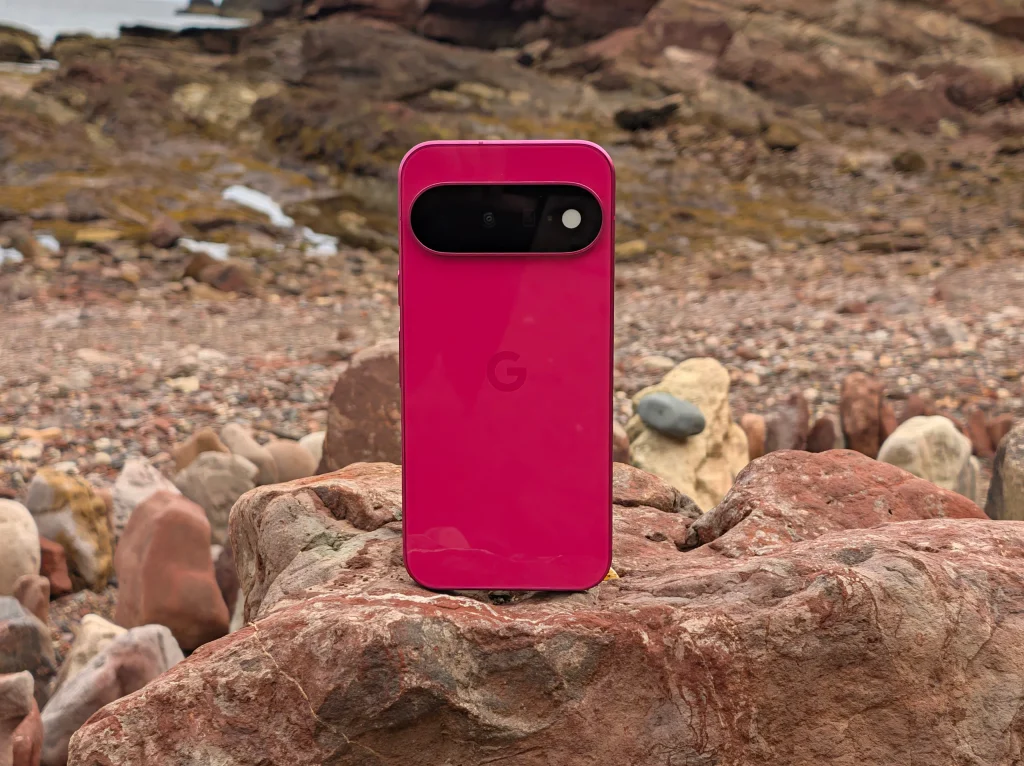
Many observers hoped Google would finally cross the 2-nanometre threshold with its in-house silicon. It has not: the Tensor G6 powering the Pixel 11 series remains a 3-nanometre chip.
A brief explanation is in order. Process node size refers to the scale of the transistors that make up a processor: the smaller they are, the more you can fit on a given surface, and the better the theoretical balance between performance and power draw. Staying on 3 nm therefore means Google does not benefit this year from the efficiency gain a 2 nm node would have delivered.
Is that a disaster? Not necessarily. Tensor chips have never tried to beat Snapdragon or Apple A-series silicon on raw horsepower. Their purpose lies in the dedicated units that handle artificial intelligence workloads, which power the software features Pixel phones are known for. That is where Google competes, not on benchmark scores.
The Pixel Watch 5 lands the same day, and Google is not done
The Pixel 11 series does not arrive alone. The Pixel Watch 5, a refined take on Google’s smartwatch, went on sale on the same date. In the United States, the three major national carriers are running aggressive deals on some Pixel 11 models, in certain cases bringing the price down to zero under contract conditions. European carriers usually offer more modest discounts, but it is worth comparing before paying full price.
Google will follow up quickly with another major launch. On 15 September 2026, the company will introduce its new Googlebooks, laptops running an Android-derived operating system. It is an announcement worth watching closely, as it signals Google’s intent to unify its mobile ecosystem and its computing line-up around a single software foundation.
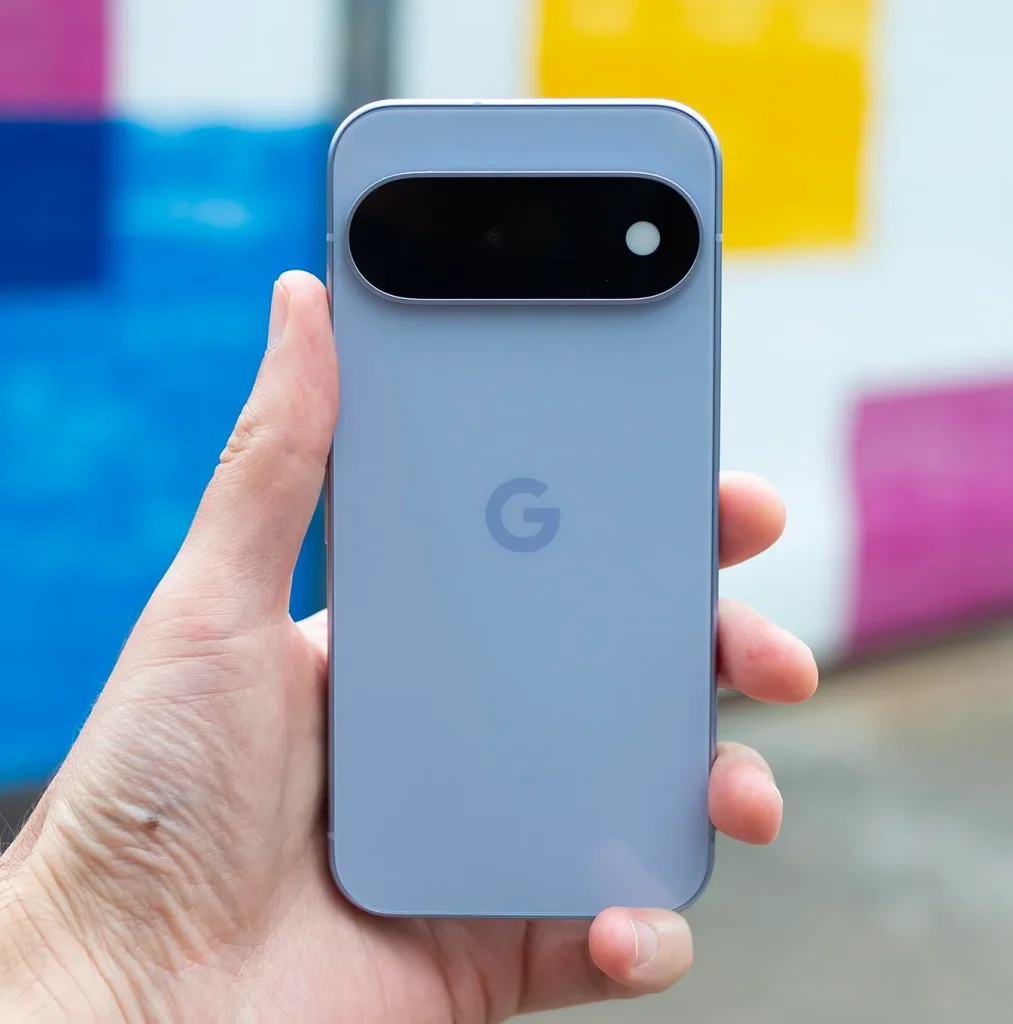
Should you buy a Pixel 11 now?
If you are coming from a Pixel 9 or something older, the upgrade makes plain sense: you gain several generations of computational photography, higher claimed battery life and an extended software support window.
If you bought a Pixel 10 a year ago, the calculation is tighter. Keeping the Tensor G6 on 3 nm and reducing RAM on the entry Pro configuration both limit the appeal of the jump. You are probably better off waiting for the next generation, or watching for the first discounts, which traditionally appear around the end-of-year holidays.
Finally, if the foldable format appeals to you, the Pixel 11 Pro Fold at 2,000 euros is a steep entry ticket. Take the time to handle one in a store before deciding: a folding screen is judged in the hand, not on a spec sheet.
Check the Google Pixel 11 Pro XL price on Amazon
As an Amazon Associate, Wanda-techs earns from qualifying purchases. This affects neither our independent analysis nor the price you pay.
The bottom line
The Google Pixel 11 is on sale as of 20 August 2026, starting at 1,000 euros for the 12 GB / 256 GB version. The range holds together, pricing stays contained on the entry models, but Google charges for moving up the line-up and has not made the 2 nm leap some expected. A solid launch, without a revolution.
Have you picked up a model from the series, or are you holding out? Share your choice in the comments, and keep following Wanda-techs for our detailed reviews to come.
Read also:
- Pixel 11 HiLight: the 9 notification LED colors revealed
- Pixel: is your battery draining even in standby since Android 16? Here’s what to do
Where to buy the Pixel 11

Google Pixel 11 256 Go
Smartphone 5G de Google, écran 6,3 pouces, puce Tensor G6, 256 Go.
- AmazonSee at Amazon
- CdiscountSee at Cdiscount
- FnacSee at Fnac
- DartySee at Darty
Share this content: