

On paper, the Infinix Note 60 is one of the most convincing mid-rangers of 2026: a 1.5K AMOLED screen at 144 Hz, the 5G Dimensity 7400 Ultimate chip, a 7.5 mm aluminium chassis and a 6,500 mAh battery in most markets. Depending on the country, it sells for roughly 210 to 260 euros, or about 140,000 to 170,000 FCFA. It is aimed at people who watch a lot of video, game now and then, and want a phone that looks pricier than it is. It is not a camera phone, and its official availability in West and Central Africa has yet to be confirmed.
Introduction: the Note 60, entry point to a range that is moving upmarket
The Note series has long been the top of Infinix’s line-up in Africa, a step above the Hot and Smart phones. With the 60 generation, unveiled on 18 February 2026 and on sale from March, the Transsion-owned brand is aiming higher. The base Note 60 opens the range, below the Infinix Note 60 Pro with its Snapdragon chip and 90 W charging, and well below the Infinix Note 60 Ultra, which targets the high end with satellite messaging.
First thing to know: there is no 4G Note 60. It only comes in 5G, under the model number X6879. The only differences between countries are storage and, more surprisingly, the battery: 6,500 mAh in most markets, 6,150 mAh in a few others.
With no official FCFA price so far, its Indonesian and Nigerian prices put it somewhere between 140,000 and 170,000 FCFA. That places it against the Tecno Camon 50, its sibling within the group, which sells for 185,000 FCFA in Côte d’Ivoire.
Verdict at a glance
Verdict in 30 seconds
The Note 60 offers a screen, build and performance worthy of a more expensive phone, with three Android updates promised. The cameras remain its relative weak spot, and its official launch in West and Central Africa still needs to be confirmed.
For whom Anyone who wants a great AMOLED screen, 5G, solid battery life and a thin, sturdy phone for around 140,000 to 170,000 FCFA.
Avoid if You want optical zoom, polished night shots, a microSD slot or a headphone jack.
We like
- Very bright 1.5K 144 Hz AMOLED screen
- Dimensity 7400 Ultimate with 5G
- Aluminium, 7.5 mm, IP64 and MIL-STD-810H
We like less
- No microSD or headphone jack
- Average night photos, no optical zoom
- FCFA price not yet official
Infinix Note 60 specifications
| Écran | AMOLED légèrement incurvé 6,78 pouces, 1 208 x 2 644 px (1,5K), 144 Hz, 1 600 nits (HBM), pic 4 500 nits, PWM 2 304 Hz, Gorilla Glass 7i |
|---|---|
| Processeur | MediaTek Dimensity 7400 Ultimate (4 nm), GPU Mali-G615 MC2 |
| Mémoire | 8 Go de RAM (+ RAM virtuelle) |
| Stockage | 128, 256 ou 512 Go UFS 2.2 selon marché, pas de microSD |
| Appareil photo principal | 50 Mpx f/1,6, PDAF, OIS |
| Ultra grand-angle | 8 Mpx f/2,2, 112° |
| Téléobjectif | — |
| Caméra selfie | 13 Mpx f/2,2 |
| Batterie | 6 500 mAh (6 150 mAh selon marché) |
| Charge | 45 W filaire (50 % en 26 min annoncés), charge bypass ; 30 W sans fil selon certaines fiches (à confirmer) |
| Système | Android 16, XOS 16 ; 3 mises à jour Android et 5 ans de correctifs de sécurité annoncés |
| Réseau | 5G SA/NSA, double nano-SIM + eSIM (2 lignes actives max), Wi-Fi 5, Bluetooth 5.4, NFC, infrarouge |
| Étanchéité | IP64, MIL-STD-810H |
| Dimensions et poids | 162,4 x 77,2 x 7,5 mm, 199 g |
| Date de sortie | Annoncé le 18 février 2026, commercialisé à partir de février-mars 2026 (Indonésie, Nigeria, Asie du Sud) |
| Launch price | ≈ 210 à 260 € (140 000 à 170 000 FCFA), prix Indonésie et Nigeria convertis ; pas de prix officiel en zone FCFA |
Three figures deserve a closer look. The screen first: a 6.78-inch AMOLED at 1,208 x 2,644 pixels and 144 Hz, a resolution rarely seen under 250 euros. Then the chip, the Dimensity 7400 Ultimate built on a 4 nm process, far more efficient than the Helio G chips in the Hot and Spark phones. Finally the battery, which varies by country: 6,500 mAh on most spec sheets, including the Nigerian and Indonesian ones, but 6,150 mAh on some versions. The capacity of the version sold in West and Central Africa has yet to be confirmed with the retailer.
Design: aluminium, 7.5 mm and genuine toughness
This is the selling point you notice first. The Note 60 measures 162.4 x 77.2 x 7.5 mm and weighs 199 grams, with an aluminium frame and back. At this price, rivals usually settle for plastic. Infinix describes it as a unibody design, and Notebookcheck, which rounds up the first published reviews, singles out that mix of premium look and toughness, rare in this segment.
The front is covered by Corning Gorilla Glass 7i, and the screen curves slightly at the edges, with very thin bezels quoted at 1.87 mm. The curved edges feel good in the hand but make fitting a tempered glass protector trickier, so a case is still a good idea.
On the back, Infinix adds an RGB light ring around the camera module, called Active Halo. It works as a notification light, a charging indicator or a visual effect during calls. Five colours are listed: Mist Titanium, Midnight Black, Fizz Blue, Rose Gold and Mocha Brown, with availability varying by country.
As for durability, the Note 60 is IP64-rated. It is dust-tight and handles splashes of water, but it should not be submerged. In West and Central Africa, between the harmattan, dusty roads and rainy-season downpours, that is a useful level of protection. The phone also claims the MIL-STD-810H military standard, which covers shock, vibration and extreme temperature tests. The label does not make a phone unbreakable, but it is reassuring.
The fingerprint reader sits under the screen. There is, however, no 3.5 mm headphone jack and no microSD slot, so you will need to pick the right storage size at purchase and use Bluetooth or USB-C earphones.
Display: a 1.5K AMOLED at 144 Hz, the real highlight
Infinix has clearly taken care over the panel. The Note 60 has a 6.78-inch AMOLED at 1,208 x 2,644 pixels, around 429 pixels per inch, with a refresh rate that goes up to 144 Hz. Next to the HD+ screens of the Hot or Spark phones, the jump in sharpness is obvious.
The quoted brightness figures are impressive: 700 nits in normal use, 1,600 nits in high brightness mode and a 4,500-nit peak on a small part of the image. The peak is mostly marketing; the 1,600 nits matter more for reading the screen under the midday sun in Douala or Abidjan. For a concrete reference, GSMArena measured close to 1,700 nits with auto brightness on the Note 60 Pro, which uses a panel with identical specifications, so these measurements are only a rough guide for the Note 60.
Another welcome detail is 2,304 Hz PWM dimming. It reduces flicker at low brightness, especially in the evening. The 144 Hz mode makes scrolling very smooth, even if few games take advantage of it.
Performance: the Dimensity 7400 Ultimate leaves real headroom
The Note 60 runs on the MediaTek Dimensity 7400 Ultimate, built on a 4 nm process. Its CPU combines four Cortex-A78 cores at 2.6 GHz and four Cortex-A55 cores at 2.0 GHz, with a Mali-G615 MC2 GPU. It is the same chip as in the 5G version of the Tecno Camon 50 Pro. Infinix claims more than 990,000 points on AnTuTu v11, a manufacturer figure worth treating with caution.
For everyday use, this chip is more than enough: WhatsApp, TikTok, mobile money apps, browsing and video all run without a hitch, and 8 GB of RAM makes multitasking comfortable. XOS can add virtual RAM, which is much slower than the real thing.
In games, expect good results in Free Fire, PUBG Mobile or eFootball at medium to high settings, with stable frame rates. The heaviest titles, such as Genshin Impact, will need lower graphics settings. The first published reviews point the same way. Nothing unusual at this price.
The main drawback is UFS 2.2 storage, an older standard. App installs and file transfers are slower than with UFS 3.1, and the USB-C port is still USB 2.0. On heat, the 4 nm process is reassuring, and Infinix highlights vapour chamber cooling across the series; whether the base Note 60 has one, and how large, has yet to be confirmed. In very hot weather, expect some throttling during long gaming sessions.
Good to know — Storage cannot be expanded. If you shoot a lot of video or keep your WhatsApp videos, go straight for the 256 GB version, or even 512 GB where it is available. The 128 GB model fills up quickly with messaging apps.
Cameras: a stabilised sensor, but no optical zoom
On the back, the Note 60 pairs two cameras. The main one is a 50 MP f/1.6 sensor with phase-detection autofocus and optical image stabilisation (OIS). It is backed by an 8 MP f/2.2 ultrawide covering 112 degrees. There is no telephoto. On the front, a 13 MP f/2.2 camera handles selfies and video calls.

In daylight, what to expect is clear: sharp, well-exposed photos with flattering colours, typical of Transsion’s processing. The f/1.6 aperture and optical stabilisation are two real assets in low light, since OIS allows longer exposures without camera shake. At night, Infinix promotes a dedicated mode for dark scenes. Early published feedback, however, describes night shots as usable rather than remarkable, with noise in the darker areas.
The 8 MP ultrawide is the weak link. It will do in broad daylight, but quickly loses detail at the edges and in low light. To zoom, the phone crops into the main sensor’s image: at 2x the result is still decent, beyond that quality drops off.
For video, the Note 60 records 4K at 30 frames per second and 1080p at up to 120 frames per second, with enhanced stabilisation according to Infinix. That is a solid base for TikTok or family celebrations. The 13 MP selfie camera is fine for social media and calls. If photography is your priority, Tecno’s Camon 50 Pro, with its 3x telephoto, plays in another league.
Battery and charging: a big cell and 45 W
Most spec sheets list a 6,500 mAh battery, in a phone just 7.5 mm thick. Some versions make do with 6,150 mAh. Infinix also promotes so-called self-healing battery technology, which is meant to retain more than 80% of its capacity after 2,000 charge cycles.
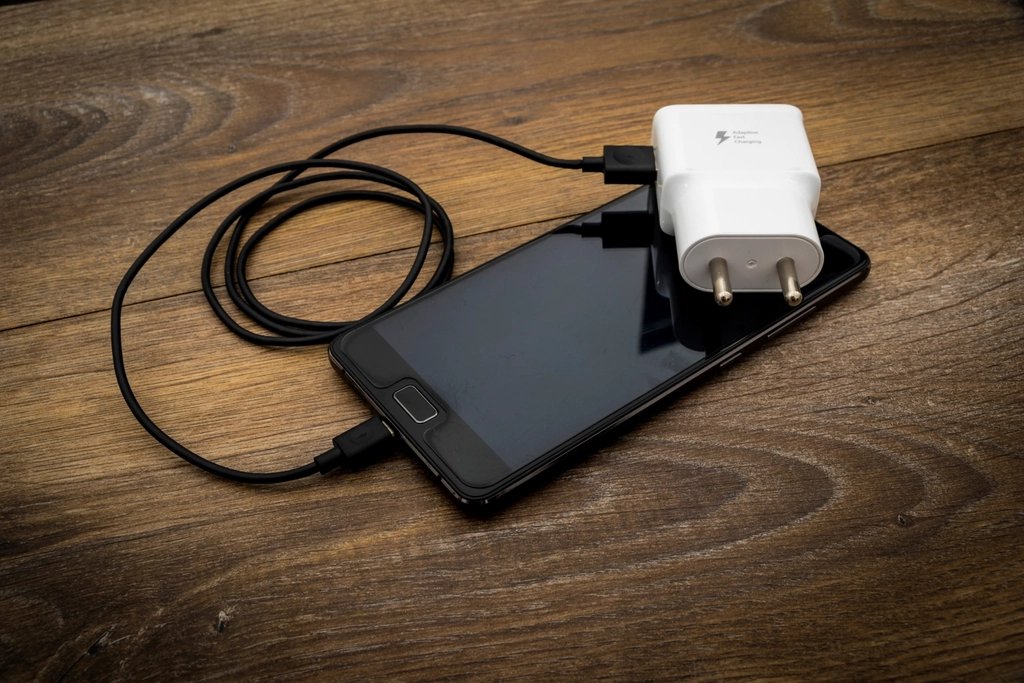
With a 4 nm chip and an AMOLED screen, efficiency should be good. The first published reviews mention around two days of moderate use per charge. For comparison, the Note 60 Pro, which shares the screen and the 6,500 mAh capacity but uses a different chip, scored an endurance rating of 16 h 06 min at GSMArena. With power cuts in mind, that reserve matters: charged in the morning, the phone should still be going the next day.
Wired charging reaches 45 W. Infinix quotes 50% in 26 minutes and 100% in 54 minutes, provided you use the right charger. Whether it comes in the box may vary by country, and one Philippine spec sheet mentions 40 W, so check with the retailer. The phone also supports bypass charging, which powers the phone directly during gaming sessions instead of charging the battery, keeping heat down.
Several spec sheets, including GSMArena’s, list 30 W wireless charging, which is rare at this price. Indonesian sources, however, say it is reserved for the Note 60 Pro, so its presence on the version sold in Africa is uncertain. Do not make it a buying criterion without checking the retailer’s listing.
Software: XOS 16 on Android 16, with three updates promised
The Note 60 ships with Android 16 and Infinix’s own XOS 16 skin. The good news is that Infinix has committed to concrete support this time: three major Android updates, up to XOS 19, and five years of security patches according to several sources. Real progress, though it remains to be seen how quickly updates roll out in Africa.
On the AI front, XOS 16 includes the FOLAX assistant, which can analyse what is on screen, translate and summarise text. Some features rely on the cloud and therefore need a connection.
A customisable button called One-Tap, along with heart rate and blood oxygen sensors, is mentioned by several outlets for the series, with no certainty that they are on the base Note 60. At best these are wellness indicators, not medical tools.
As is often the case with Transsion, expect preinstalled apps and content suggestions, some of which can be uninstalled or disabled in the settings. Plan on a bit of tidying up at first boot.
Price and availability in Africa, Asia and Europe
As of 1 October 2026, we have found no official FCFA price for the Note 60, nor any launch announcement in Cameroon, Côte d’Ivoire or Senegal. In Côte d’Ivoire, Infinix has been promoting the Note Edge 5G, a different model. The Note 60 may nonetheless turn up at import resellers; price and availability should then be confirmed with them.
Prices elsewhere give a sense of scale. In Indonesia, the Note 60 launched at 4,099,000 rupiah, about 210 euros or 138,000 FCFA. In Nigeria, it is listed at around 450,000 naira at retailers such as Jumia or Slot, about 260 euros or 170,000 FCFA. In Pakistan (99,699 rupees) and Bangladesh (44,999 taka), taxes push it past 300 euros. A price of around 150,000 to 175,000 FCFA would make sense in West and Central Africa.
If you are buying in Africa, stick to an authorised reseller. Infinix phones are covered by Carlcare, the Transsion group’s after-sales service, which has a presence in many African cities. A unit imported outside official channels can cause warranty problems. Also check with the retailer that the version you buy supports your carrier’s 4G and 5G bands, as the 5G band list for the African version is not confirmed. 5G coverage in the region is still limited to some major cities.
In France, as far as we know, Infinix does not officially sell the Note 60. We found no product listing on Amazon.fr, Fnac, Darty or Cdiscount. You would have to import it, with no European warranty and with bands that do not always suit French networks.
Pros and cons
Pros
- Bright, smooth 1.5K AMOLED screen at 144 Hz
- Dimensity 7400 Ultimate with 5G, efficient and versatile
- 7.5 mm aluminium chassis, IP64 and MIL-STD-810H
- Big battery and 45 W charging
- Three Android updates and five years of security patches announced
Cons
- No microSD or headphone jack
- UFS 2.2 storage and USB-C 2.0
- Weak 8 MP ultrawide, no optical zoom
- Battery capacity and wireless charging vary by market
- Official price and launch in West and Central Africa not confirmed
Infinix Note 60 alternatives
Tecno Spark 50 Pro
Tecno Camon 50 Pro (4G et 5G)
Infinix Note 60 Pro 5G
If your budget is tighter, the Tecno Spark 50 Pro costs much less, but it falls behind on everything: HD+ LCD screen, Helio G100 chip and no 5G. For photography, the Tecno Camon 50 Pro adds a stabilised 3x telephoto and a larger main sensor, with the same Dimensity 7400 Ultimate chip in its 5G version. Finally, the Note 60 Pro keeps the Note 60’s screen and battery but moves to the Snapdragon 7s Gen 4 and 90 W charging, with confirmed wireless charging. It costs more, for a gain that mostly shows when you plug it in.
Conclusion: should you buy the Infinix Note 60?
Yes, if you can find it at a price close to its Asian or Nigerian pricing. The Note 60 ticks the boxes that matter day to day: a superb screen, a modern 5G chip, a generous battery, fast charging and an aluminium build that inspires confidence. On top of that, Infinix finally promises serious software support. At around 150,000 FCFA, it would be one of the best-value phones of 2026.
Its limits are well known: decent but unremarkable cameras, a weak ultrawide, no microSD and no headphone jack. Above all, make sure you buy an official version covered by Carlcare and compatible with your network. Above 200,000 FCFA, it becomes less compelling next to the Camon 50 Pro or the Note 60 Pro.
Our pick
Infinix Note 60 — the most balanced 5G mid-ranger in the Note 60 series for anyone who puts the screen, battery life and build first, best bought at around 140,000 to 170,000 FCFA.
Frequently asked questions
How much does the Infinix Note 60 cost in Cameroon?
As of 1 October 2026, Infinix has not announced an official price for the Note 60 in Cameroon or anywhere in the FCFA zone. Prices elsewhere serve as a benchmark: about 4,099,000 rupiah in Indonesia, close to 138,000 FCFA, and around 450,000 naira in Nigeria, about 170,000 FCFA. At a Cameroonian reseller, a price between 150,000 and 180,000 FCFA would seem reasonable. Make sure it is an official version covered by the Carlcare warranty.
Does the Infinix Note 60 support 5G?
Yes. The Note 60 only comes in a 5G version, thanks to its MediaTek Dimensity 7400 Ultimate chip. It supports 5G SA and NSA, as well as 4G and 3G. It takes two nano-SIM cards and, depending on the market, an eSIM, with a maximum of two active lines. Before buying, check that the 5G bands of the version on offer match your carrier’s. In West and Central Africa, 5G is still limited to some major cities.
Is the Infinix Note 60 waterproof?
It is IP64-rated. In practice, it is fully protected against dust and withstands splashes of water, such as a downpour or a spilled glass. It is not designed to be submerged, though: avoid the pool, the sea or rinsing it under the tap. The phone also meets the MIL-STD-810H military standard, which covers shocks and temperature swings. That is reassuring, but a case is still useful because of the curved screen.
How many Android updates will the Infinix Note 60 get?
The Note 60 ships with Android 16 and the XOS 16 skin. Infinix promises three major Android updates, which should take it to Android 19 and XOS 19. Several sources also mention five years of security patches. That is a much better commitment than on older Note models. The rollout schedule may vary by country, however, and African versions sometimes get updates later.
Share this content: