
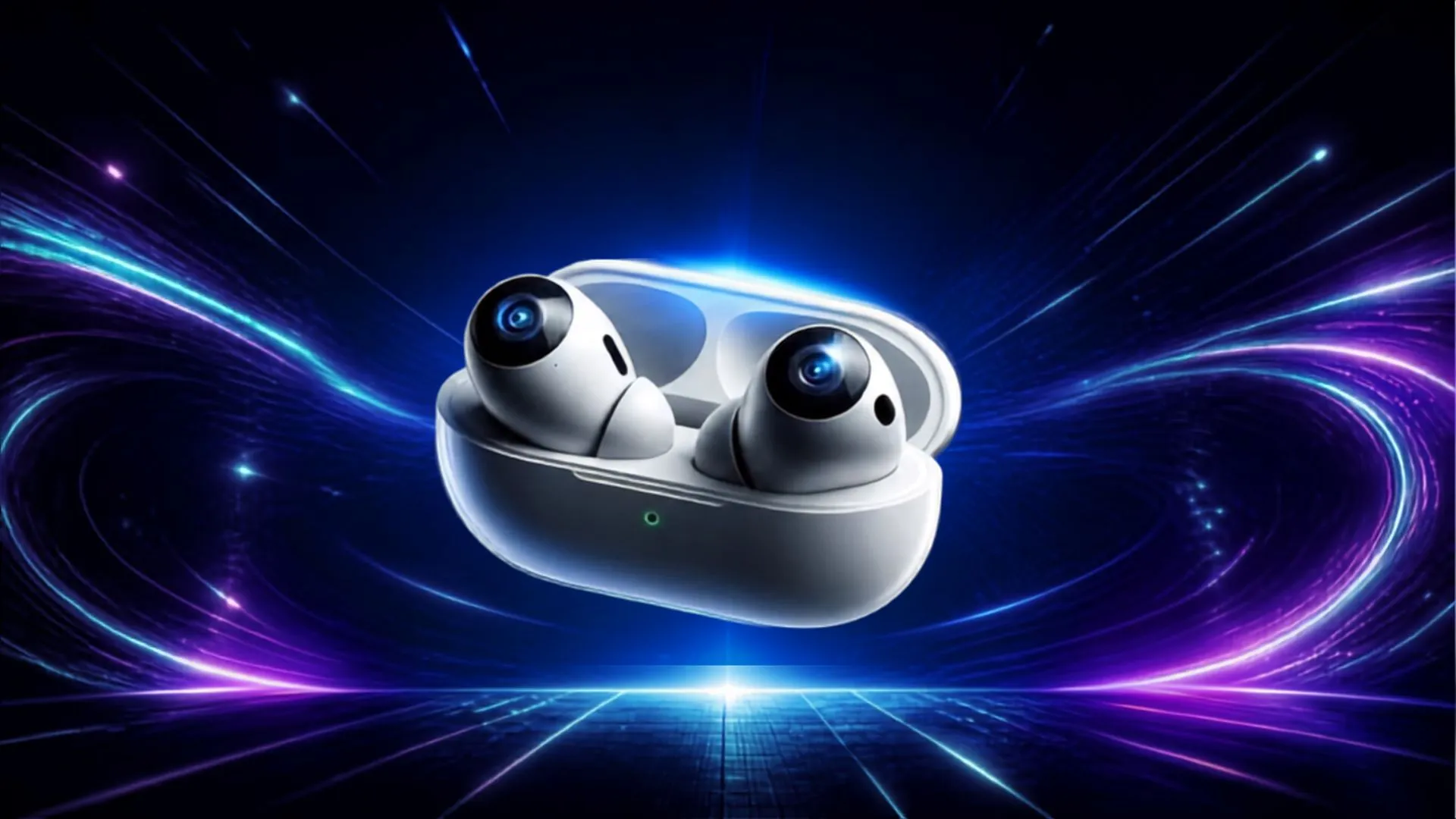
Apple leaked far more than a video. After a demonstration of AirPods with cameras was found in the release candidate of macOS Tahoe 26.7, analysis of the system code has delivered a rare level of detail: capture resolutions, indicator light, person detection, active and passive modes. MacRumors published these findings on 21 August 2026, based on work by one of its forum members. Here is what the code reveals about the workings of earbuds Apple has never announced.
A hidden framework inside macOS Tahoe 26.7
It all starts with an undocumented software library called AccessorySensorManager. A framework, in Apple’s vocabulary, is a set of reusable functions made available to the system. This one handles sensor data reported by AirPods when they are connected to a Mac.
This kind of discovery is common: companies sometimes ship code intended for future products inside already-distributed systems, purely for development convenience. It is also how they give themselves away.
Two cameras, paired images, no video
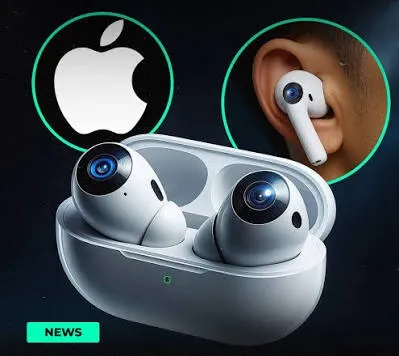
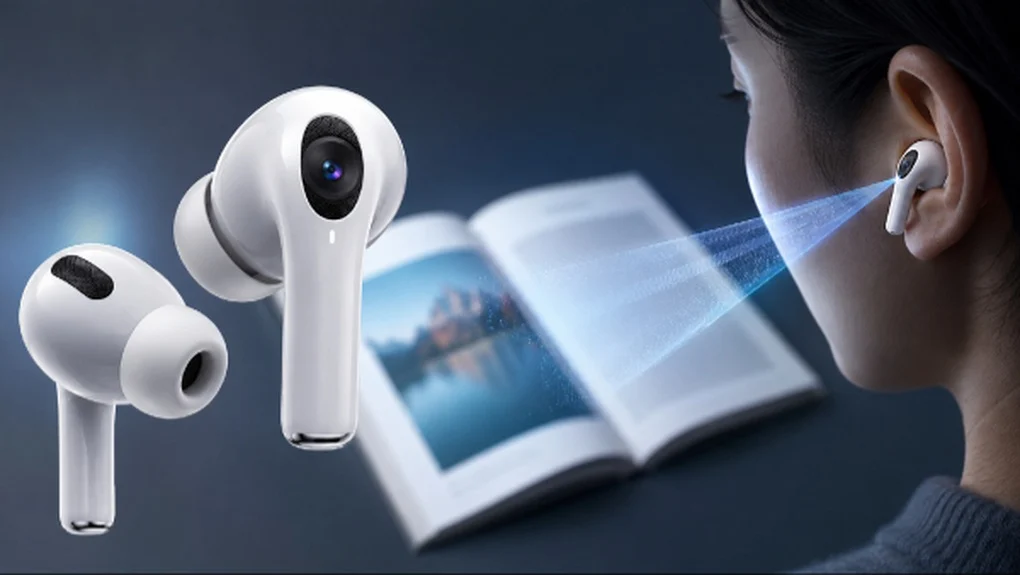
The most surprising point concerns the optical architecture. The code indicates that each earbud has its own sensor, and that the two work in concert. They return synchronised RGB colour images carrying matching frame identifiers, at resolutions of up to 1 megapixel.
The benefit of this paired operation is simple: two slightly offset viewpoints give the system a sense of depth, exactly as human binocular vision does. That is useful material for Visual Intelligence, Apple’s technology that analyses surroundings to provide contextual information to the user.
Another important clarification: the AirPods do not record video. They capture internal still frames intended for system processing. This is not “taking photos” in the usual sense, but feeding raw material to an analysis engine.
Active and passive mode: two distinct logics
The framework distinguishes two operating regimes, with different resolutions.
In active mode, likely triggered by the user via Siri, the earbuds capture a 640 × 640 pixel image and return a processed 1,024 × 1,024 pixel image. That represents roughly 0.4 megapixels of sampled data for a little over 1 megapixel of output. The system can request a synchronised pair of images, or set a capture rate to receive pairs continuously.
In passive mode, capture drops to 320 × 320 pixels, with output at 320 × 320 or 512 × 512 pixels. These values are specific to the capture: the physical sensor’s native resolution may be higher.
Passive mode appears designed for background environmental awareness. The framework mentions several contextual conditions:
- nearby speech;
- changes in the surrounding audio;
- posture changes;
- head rotation;
- movement outside a defined area.
The code does not make it possible to determine whether each of these conditions actually triggers an image capture.
The stabilisation headache, anticipated
Putting a camera on someone’s head creates an obvious problem: the head moves constantly. Apple appears to have taken it seriously. The framework includes lens distortion correction, dual-camera calibration, and camera-to-motion sensor calibration.
Better still, the system can reject images affected by excessive movement or an occluded view. In other words, if you turn your head sharply or your hair covers the lens, the image is discarded before it is even analysed.
On-device processing and an indicator light
Two details deserve particular attention, because they bear directly on privacy.
The first is what the code calls peripheral inference: part of the processing happens directly on the earbuds, notably detecting whether a person is in view. Processing locally rather than transmitting everything limits data movement — and also reduces power draw.
The second is more visible. The framework contains code allowing it to remotely control a hardware indicator and its brightness. The likely translation: each earbud would carry a light signalling to people nearby that a capture is under way. This is exactly the transparency mechanism that other smart glasses have lacked, and whose absence has fuelled most of the criticism aimed at those products.
The underlying question remains open. An object worn constantly, discreet, capable of analysing your surroundings, raises real consent issues for the people in frame, even without video recording. The indicator light is a partial answer, not a complete one.
The essential caveat: this product may no longer exist
This is the point that puts everything else in perspective. The earbuds shown in the demo video are a version of the AirPods Pro 3 fitted with cameras, carrying the internal codename B790. According to Mark Gurman of Bloomberg, Apple no longer plans to release this model.
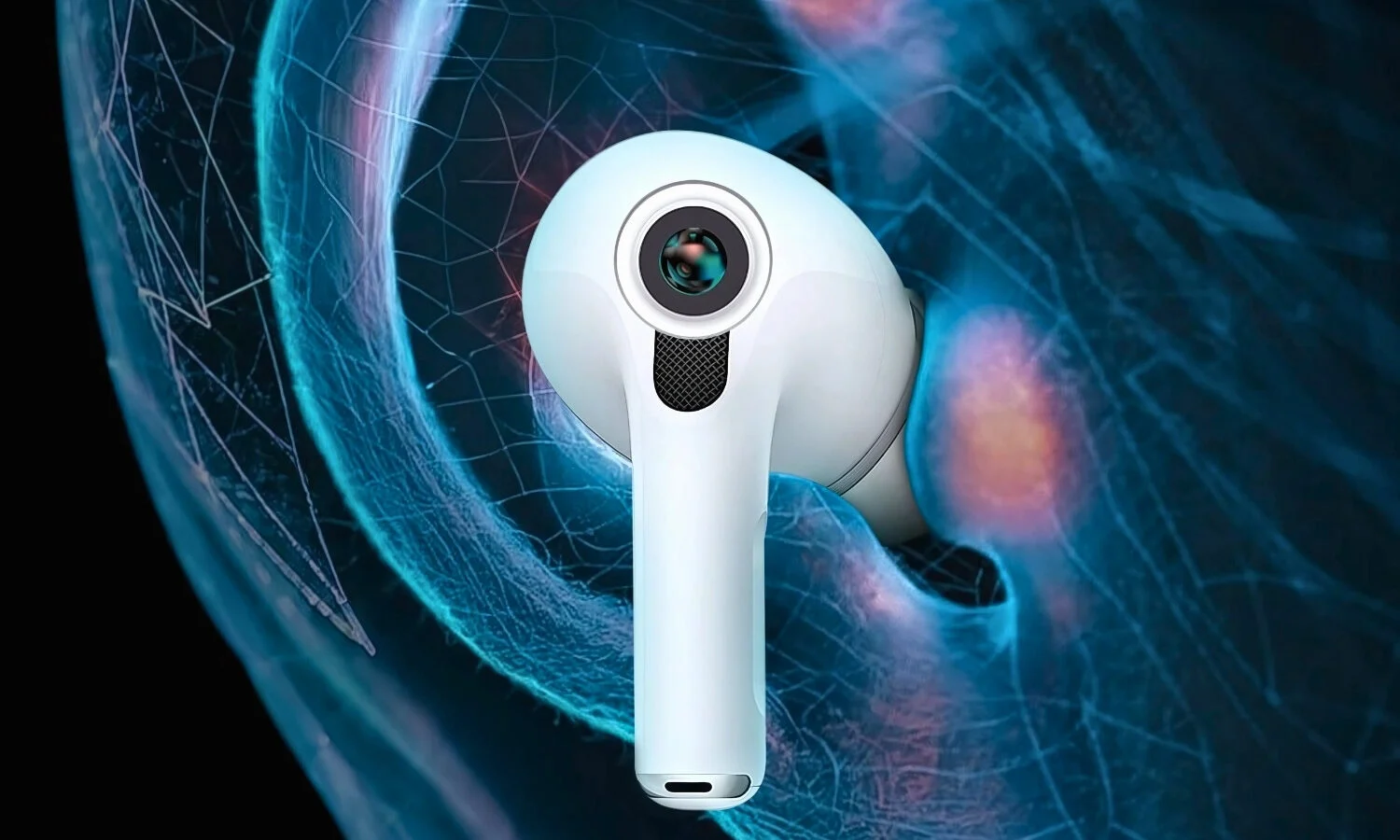
The company would instead be working on a new generation of camera-equipped AirPods, codenamed B798, expected in 2027. It could launch alongside the twentieth-anniversary iPhone.
The logical conclusion: the discovered framework very likely relates to the cancelled model. What this code documents is therefore how camera-equipped AirPods could work, not a guarantee of the final product’s specifications. Resolutions, capture modes and the indicator light may well evolve before 2027.
What to take away today
None of this information comes from official Apple communication. The company has never confirmed working on camera-equipped AirPods.
That said, the convergence of clues is hard to ignore: a demo video left in a release candidate, a complete framework dedicated to managing these sensors, and consistent press reports over several months. Apple did develop this product, even if it did not cross the finish line in this form.
If you are shopping for earbuds right now, the current AirPods Pro 3 remain the reference within the Apple ecosystem, with active noise cancellation, spatial audio and USB-C charging. Waiting until 2027 for a feature that is neither announced nor dated would make little sense.
Check the AirPods Pro 3 price on Amazon
One thing is certain: the battle over AI-equipped wearables is only beginning, and Apple clearly intends to enter it with an argument its rivals have neglected — transparency towards the people being captured.
AirPods with cameras: a good idea, or a step too far? Give us your view in the comments and find all our Apple analysis on Wanda-techs.com.
As an Amazon Associate, Wanda-techs earns from qualifying purchases. This affects neither our independent analysis nor the price you pay.
Read also:
- AirPods Pro 2 updated with USB-C, Lossless Audio, and IP54
- How to reset AirPods and AirPods Pro and remove the AirPods Apple ID
Share this content: