
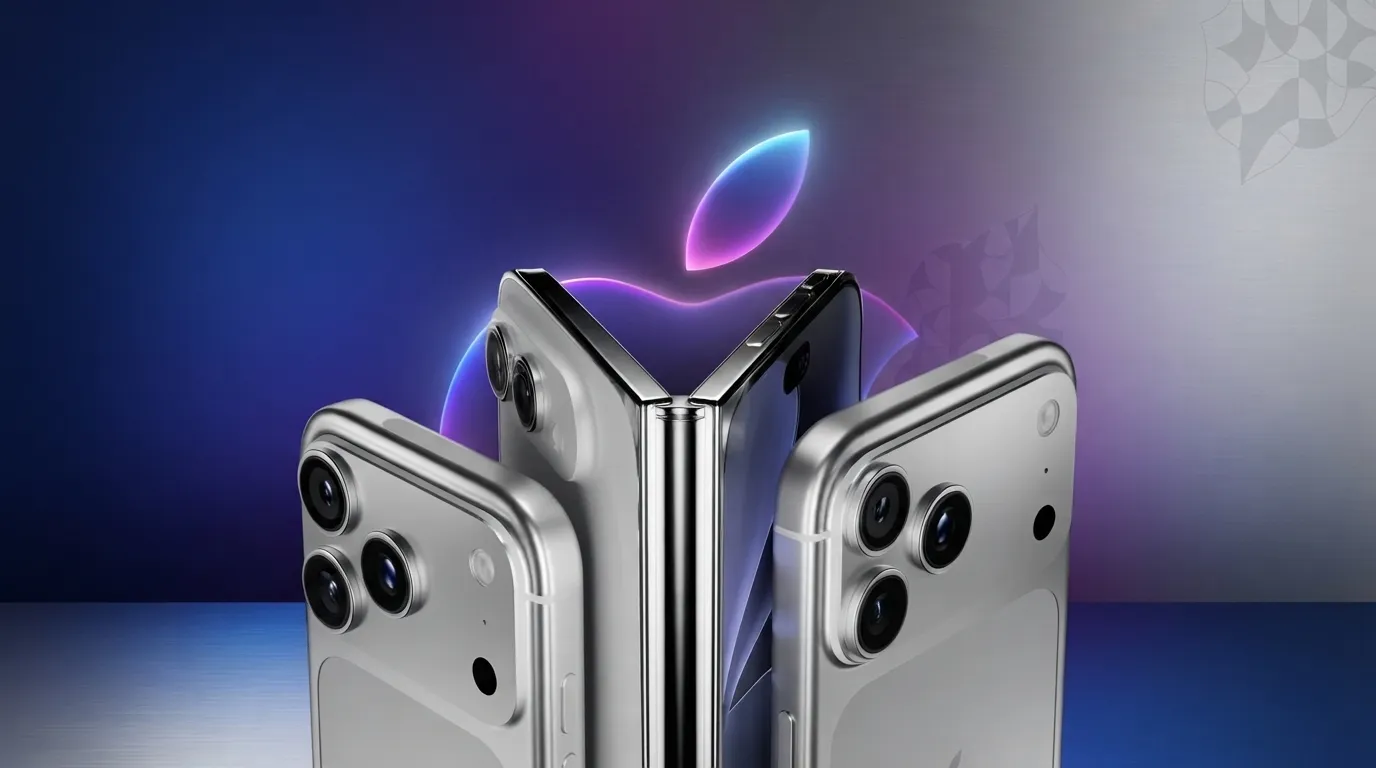
It is the most talked-about calendar shake-up of Apple’s year: the standard iPhone 18 will not be unveiled at the September keynote. According to an article published by 9to5Mac on 20 August 2026, corroborated by numerous reports dating back to May 2025, the base model has been pushed to early 2027. In September, Apple would reveal only three iPhones: the 18 Pro, the 18 Pro Max, and the long-awaited foldable iPhone Ultra. Here is a breakdown of a change that breaks a decade-old routine.
Three iPhones in September, three more in spring 2027
Since 2012 the ritual has barely varied: every first half of September, Apple introduces a complete new range made up of a base model, two Pro models and, more recently, a fourth variant. 2026 breaks that mechanism.
Here is the split as it emerges from the various reports:
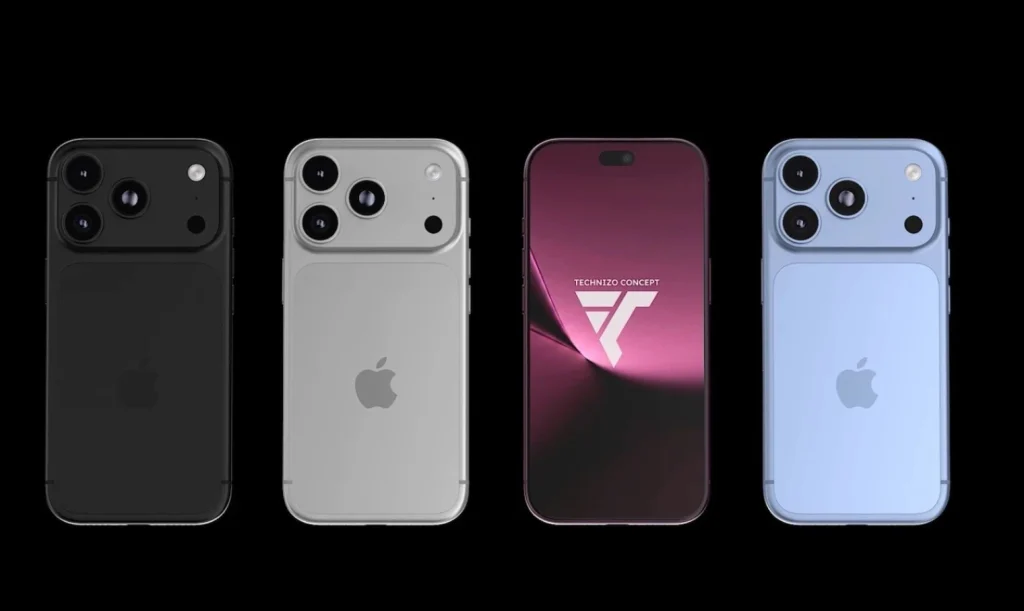
- September 2026 — iPhone 18 Pro, iPhone 18 Pro Max and iPhone Ultra, Apple’s first foldable iPhone.
- Early 2027 — iPhone 18 (base model), iPhone 18e and a second-generation iPhone Air.
To place that second window, simply look at the precedents: Apple launched the iPhone 16e in February, then the iPhone 17e in March. Spring 2027 therefore seems the reasonable horizon, probably no later than March.
Why Apple is breaking its historic calendar
Apple has confirmed nothing, of course, and the explanations put forward are analysis rather than official statement. Two hypotheses come up repeatedly.
Making room for the foldable iPhone
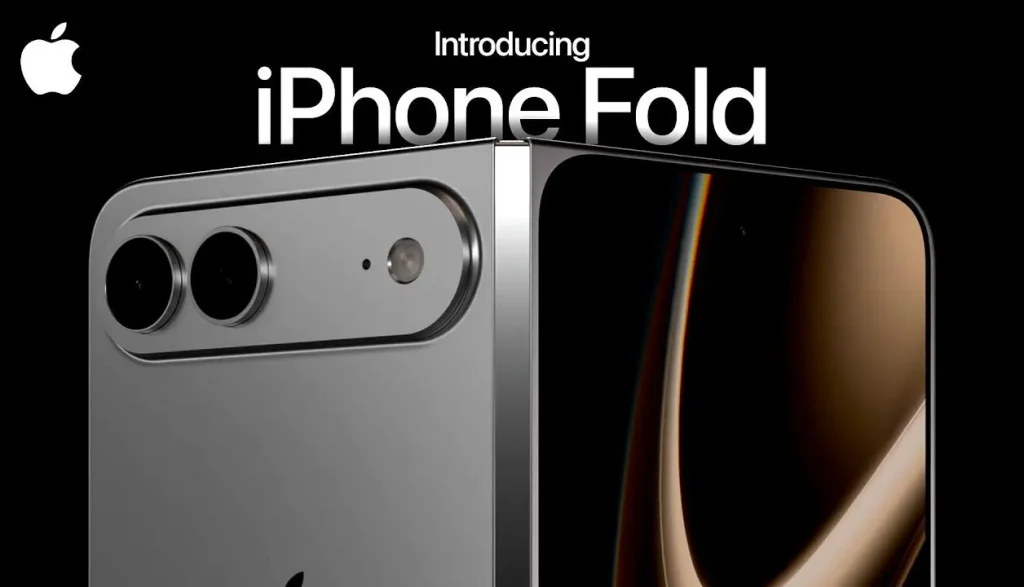
The first explanation is strategic. The range has expanded considerably: Pro, Pro Max, base model, “e” version, iPhone Air, and now a foldable. Cramming six devices into a single keynote would drown the message. By spreading out the releases, Apple gives each product its own media moment — and above all prevents the base model from cannibalising attention reserved for its first foldable, the most symbolic device the brand has launched in years.
The memory crisis
The second hypothesis is industrial, and probably more decisive. The sector is going through severe pressure on memory supply. The base model is the one that sells in the highest volume: it is also the one that would expose Apple to the heaviest risk of shortage. Shifting its release by a few months secures components and smooths demand across the year.
Neither reading excludes the other. In fact, they reinforce each other quite logically.
iPhone 18 Pro: what is coming in September
With the base model stepping aside, attention shifts entirely to the Pro versions. Several changes are expected.
A markedly smaller Dynamic Island. The interactive pill introduced with the iPhone 14 Pro would shrink by roughly 35% on the iPhone 18 Pro and Pro Max. In practical terms, that is display area regained at the top of the screen.
A variable aperture on the main sensor. This would be the real photographic novelty. A variable aperture mechanically adjusts how much light reaches the sensor, giving finer control over depth of field. It is a building block that rival high-end smartphones have been exploring for a while.
An A20 chip built on a 2-nanometre process. Moving to a finer manufacturing process usually translates into better energy efficiency at equal performance — all the more critical as on-device artificial intelligence workloads multiply.
A slightly thicker back. According to 9to5Mac, the redesigned main camera would bring a more than 2 mm increase to the aluminium alloy back panel. One leak also mentions batteries of 5,567 mAh on the Pro Max against 4,288 mAh on the Pro: those figures come from unofficial sources and need confirmation.
The iPhone Ultra, the real event of the autumn
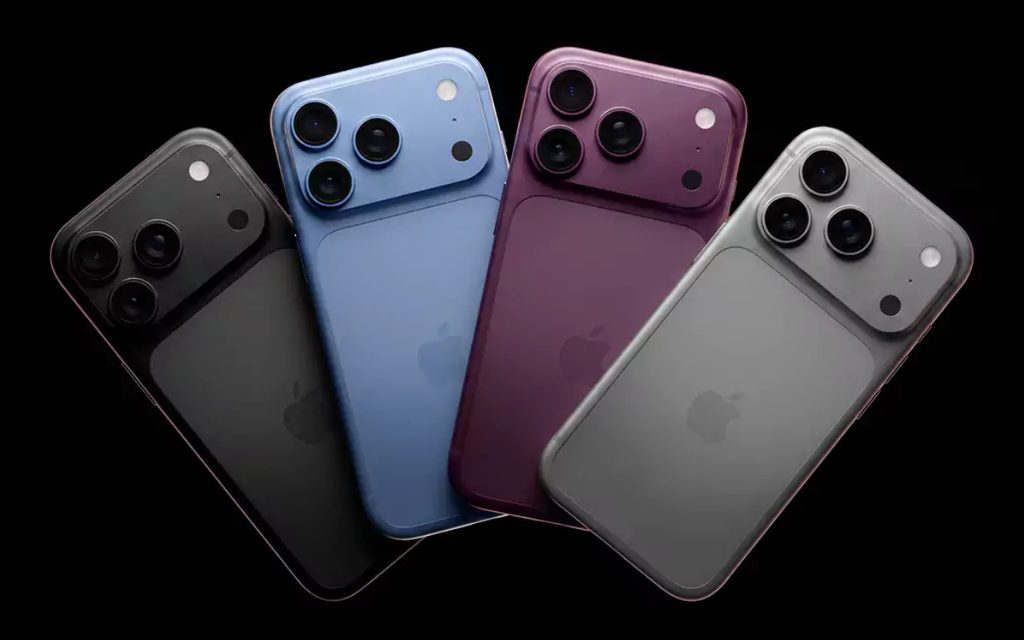
The first foldable iPhone would adopt a book-style format, comparable to Samsung’s Galaxy Z Fold. Estimates converge on an outer display of roughly 5.4 to 5.5 inches and an inner display close to 7.8 inches, meaning an unfolded footprint reminiscent of an iPad mini. Apple would also be targeting a nearly invisible crease down the centre of the panel, one of the main criticisms levelled at current foldables.
It bears repeating: this information comes from leaks and supply chain reports. Apple has communicated neither on the device’s existence nor on its commercial name.
What this delay concretely means for you
Three scenarios, three different pieces of advice.
You were targeting the base iPhone 18. You will have to wait until early 2027, or move up to a significantly more expensive Pro model. This is by far the profile most penalised by the calendar change.
You need a new iPhone now. The iPhone 17 Pro remains a thoroughly current machine, with a 6.3-inch 120 Hz display and an A19 Pro chip. More importantly, the arrival of the 18 Pro generation in September will very likely come with a price adjustment on the outgoing range. Waiting a few weeks can pay off.
You are tempted by the foldable. Proceed with care. A first-generation product, whatever the brand, always carries some risk: hinge, panel durability, software optimisation. Nothing obliges you to rush onto the first iteration.
Check the iPhone 17 Pro price on Amazon
A precedent that could last
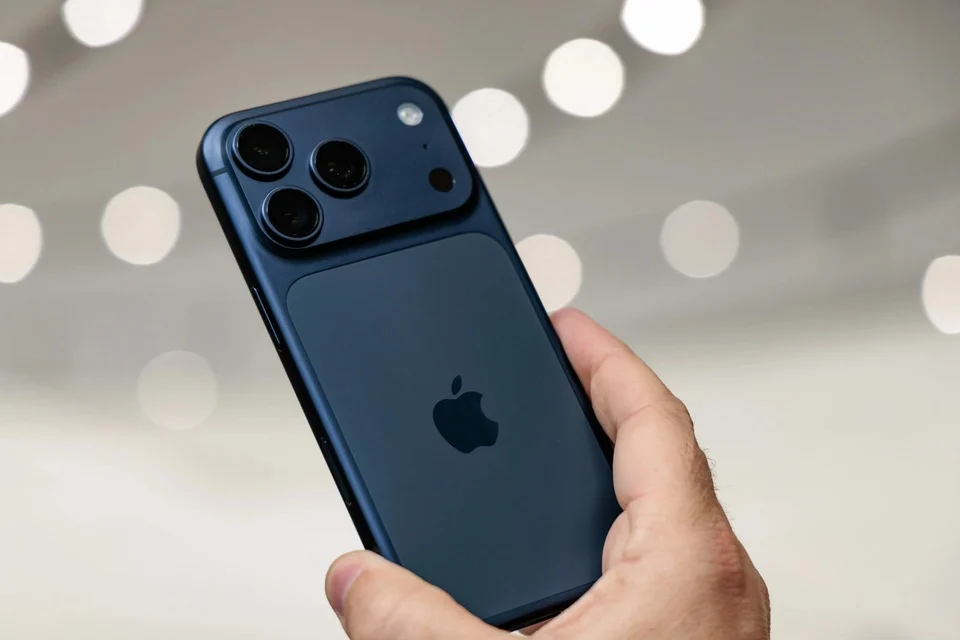
If the staggered calendar works, Apple will very likely keep it. The model has obvious appeal for the brand: two commercial peaks a year instead of one, better production spread, and media coverage stretched across twelve months rather than concentrated into a single week.
For the buyer, the picture is more nuanced. It means following Apple’s calendar more closely to avoid buying just before a release. It also means entry-level models will systematically arrive several months behind the Pro line — a gap that is not trivial when you are still paying several hundred euros.
A definitive answer will come in a few weeks: the September keynote will tell whether this scenario, extensively documented by leaks, holds up. Until then, none of this information has been validated by Apple.
Does this delay frustrate you, or were you waiting for a foldable iPhone all along? Share your view in the comments and follow all Apple news on Wanda-techs.com.
As an Amazon Associate, Wanda-techs earns from qualifying purchases. This affects neither our independent analysis nor the price you pay.
Read also:
- macOS 27: iPhone Mirroring gets 3 new features
- Apple Upgrade: rent your iPhone starting at $17.99/month
Share this content: