
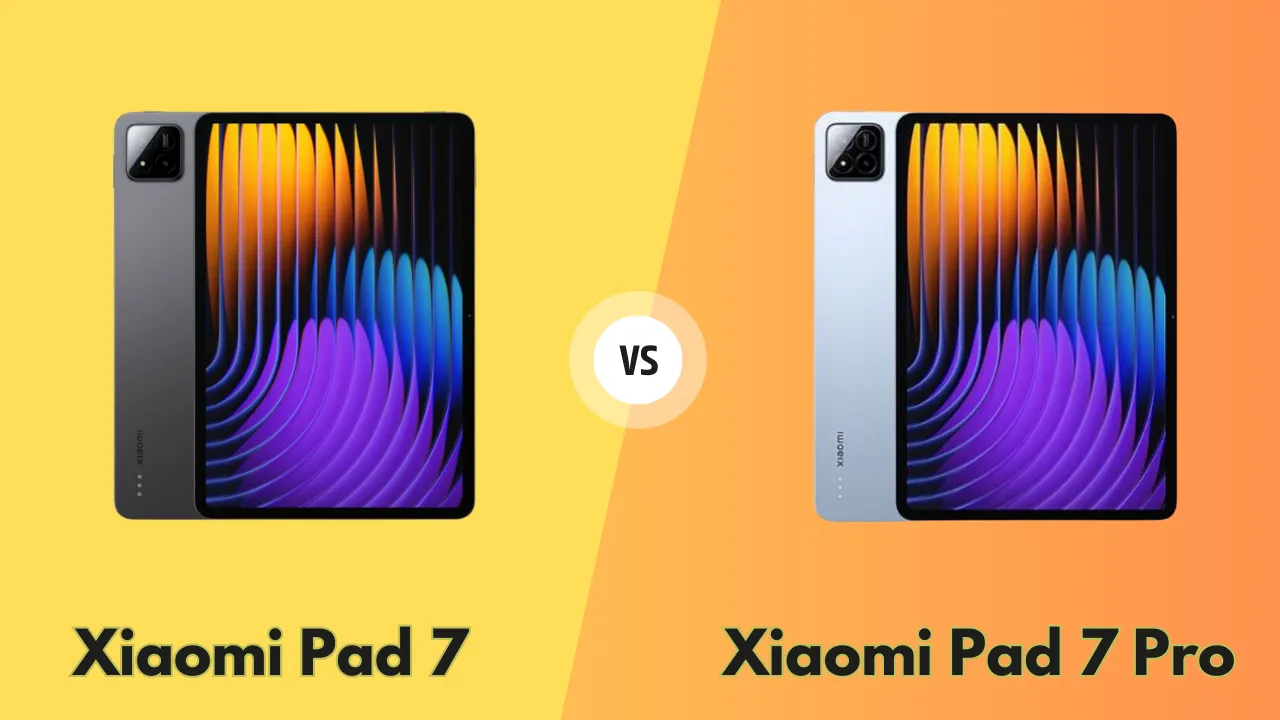
Since their launch, the Xiaomi Pad 7 and 7 Pro have captured the attention of Android tablet enthusiasts. Both models offer advanced technical features at competitive prices, but they target slightly different needs. If you’re torn between the two, this guide walks you through their specs and performance to help you make the right choice in 2026.
Design: A Premium Look for Both
The Xiaomi Pad 7 and 7 Pro share a similar design language with aluminum finishes and slim bezels, providing a high-end experience. However, the Pro model stands out with a slightly thinner frame and reduced weight, improving grip and portability. The most visible difference lies in the colors and finishes. The Pro version generally offers additional color options and better fingerprint resistance. If you’re looking for a tablet that is both elegant and easy to carry, the 7 Pro takes the lead here.
Display: A Significant Leap with AMOLED
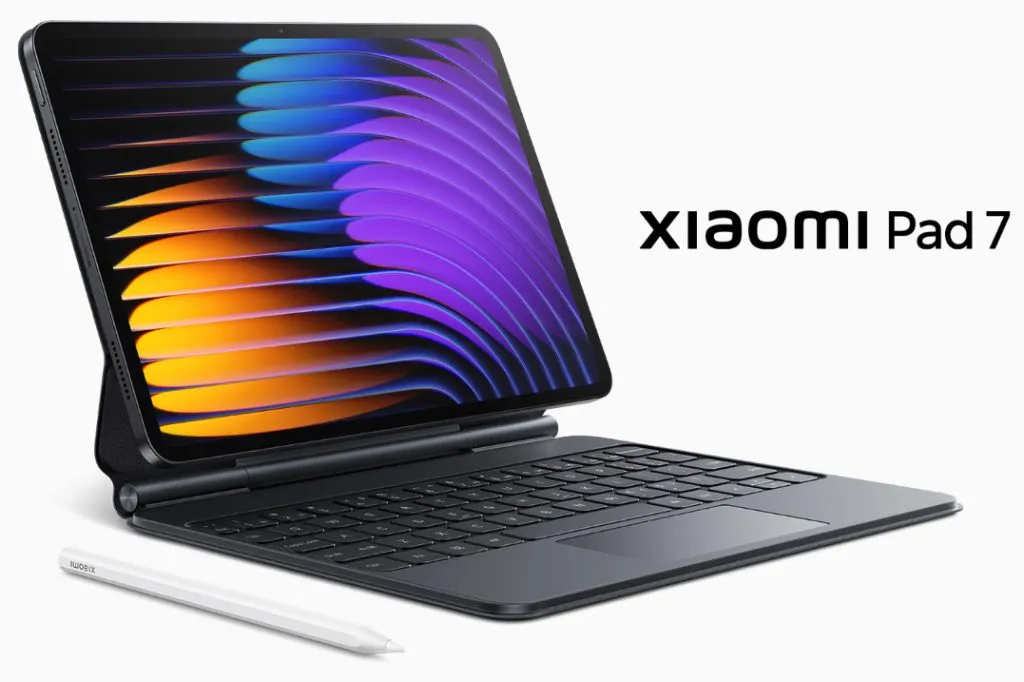
While both models feature high-quality screens, the Pro model clearly surpasses the standard version.
- Xiaomi Pad 7: Features an 11-inch LCD screen with a 2560 x 1600 resolution and a 120Hz refresh rate. It’s ideal for video streaming, reading, or web browsing.
- Xiaomi Pad 7 Pro: Raises the bar with an 11.2-inch AMOLED display, offering richer colors, deep blacks, and higher peak brightness. This difference is striking for multimedia lovers or those using their tablet for drawing and photo editing.
Performance: Powering Your Tasks
The performance gap is where the two models truly diverge:
- Xiaomi Pad 7: Equipped with a Snapdragon 870 (or equivalent), it is powerful enough for daily use, including multitasking and casual gaming.
- Xiaomi Pad 7 Pro: Powered by the Snapdragon 8+ Gen 1 (or the latest Gen 2/3 equivalent for 2026), it offers a massive boost.

Thanks to this faster processor, the 7 Pro is better suited for heavy applications like video editing or resource-intensive gaming. If you plan to use your tablet for professional or intensive tasks, the Pro model is the obvious choice.
Software and User Experience
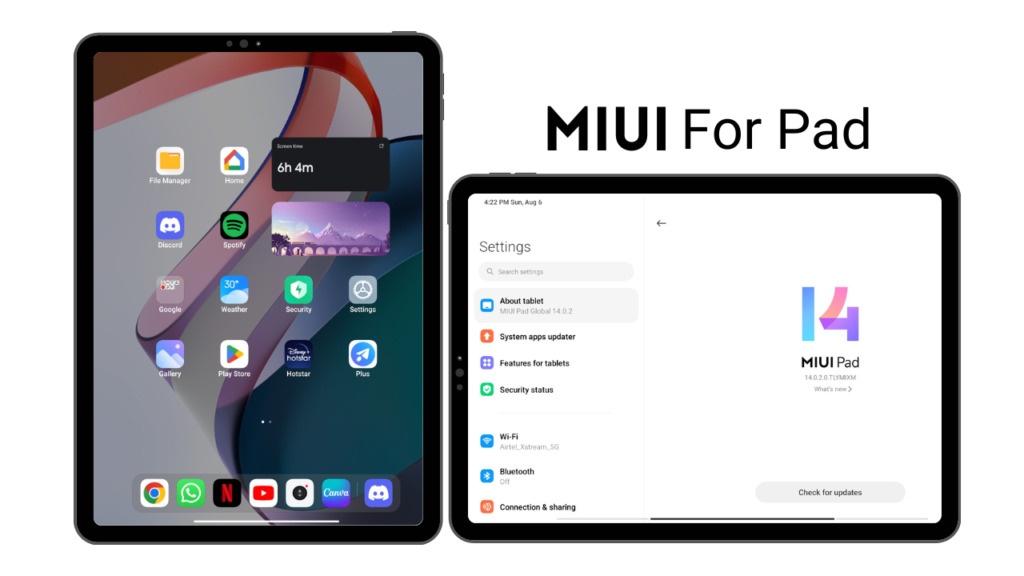
Both tablets run on Xiaomi HyperOS (or MIUI for Pad), specifically designed to take advantage of large screens. It includes features like split-screen multitasking and a quick-access dock. However, the Xiaomi Pad 7 Pro leverages these features better thanks to its increased power and AMOLED screen. Animations are smoother, and heavy apps open faster, making the overall user experience more pleasant.
Battery Life and Charging
Battery life is crucial, and Xiaomi delivers. Both tablets pack a large 8840 mAh battery. However, the Pro model benefits from 67W fast charging, compared to 33W on the standard version. This difference can be a dealbreaker if you’re often on the move and need to top up your device quickly. For standard home use, the Pad 7 is more than enough, but the 7 Pro is more practical for heavy users.
Camera Quality
While cameras aren’t the primary reason to buy a tablet, the differences are notable:
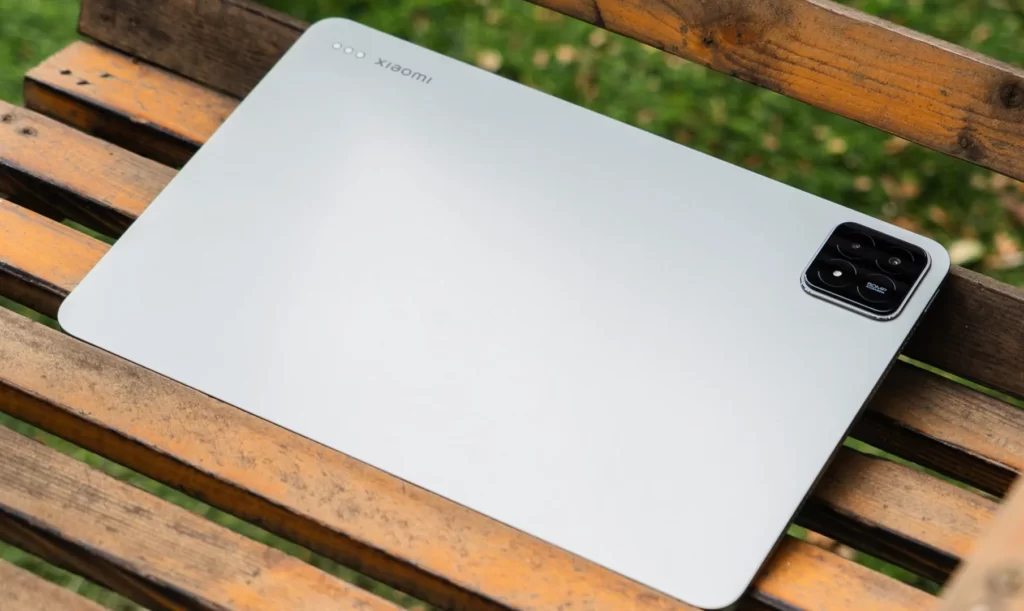
- Xiaomi Pad 7: 13 MP main sensor and an 8 MP front camera—sufficient for video calls.
- Xiaomi Pad 7 Pro: Features a 50 MP main sensor and a 20 MP front camera, offering significantly better quality for photography and professional video meetings.
Verdict: Which One is Right for You?
- Choose the Xiaomi Pad 7 if you want a versatile tablet for everyday use like streaming, browsing, and light gaming. It offers excellent value for money without major compromises.
- Opt for the Xiaomi Pad 7 Pro if you have advanced needs, such as content creation or demanding apps. Its AMOLED screen, superior power, and faster charging justify the extra cost for power users.
Read more:
- Xiaomi 13 vs. Xiaomi 13 Pro: What’s the difference?
- Common Xiaomi Watch problems and how to fix them.
Share this content: