

One of the longest standoffs in mobile payments is over. Walmart announced on 21 August 2026 that it will finally accept Apple Pay, Google Pay and other contactless methods in its US stores. The rollout begins on Monday 24 August across a first batch of Walmart and Sam’s Club locations, ahead of a full US rollout by the end of 2026. After more than a decade of deliberate refusal, the world’s largest retailer is giving in to the digital wallet.
Walmart and Apple Pay: the rollout timeline
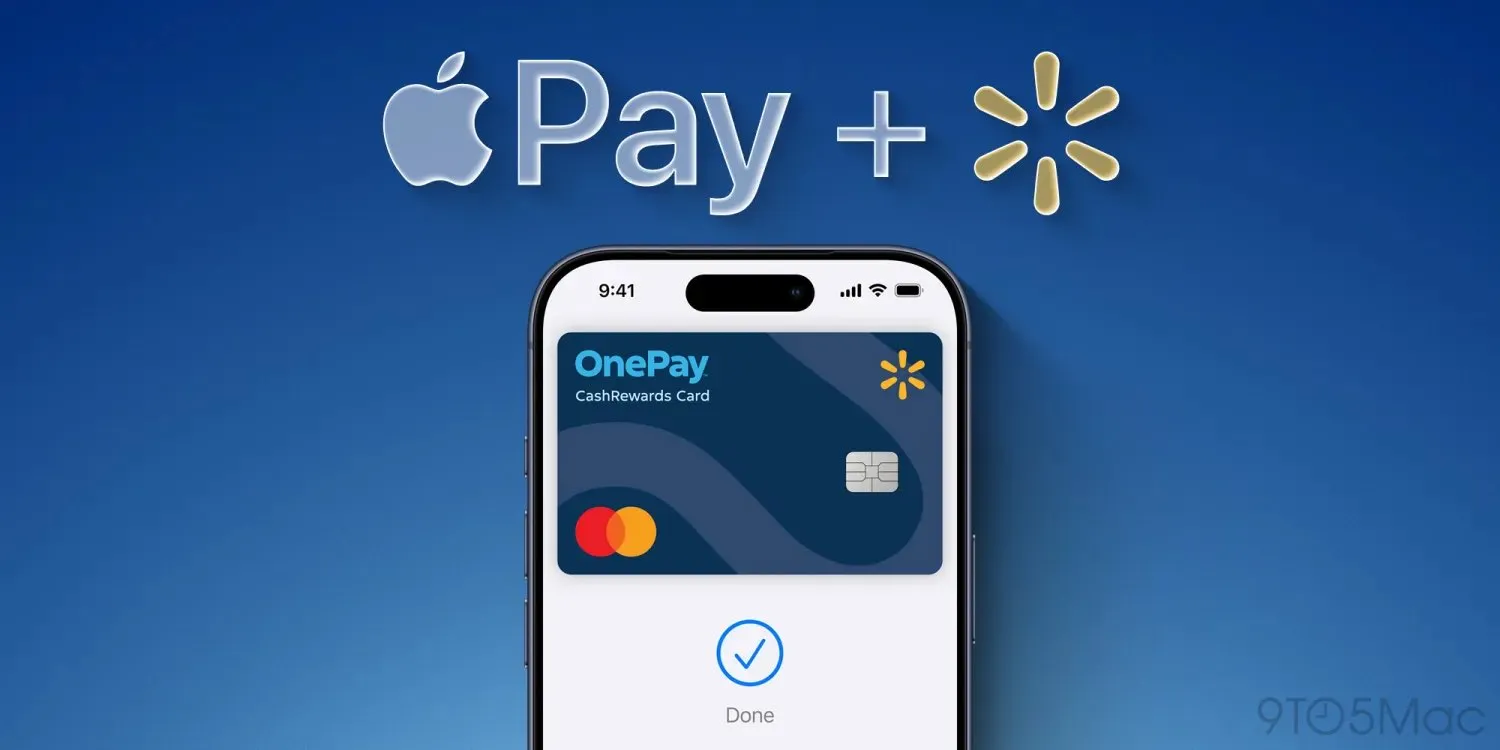
The launch comes in waves. The first equipped stores go live on 24 August. Walmart then targets all of its US locations before the end of 2026, followed by its fuel stations by mid-2027, which require a hardware upgrade separate from in-store checkout terminals.
Sam’s Club, the group’s warehouse chain, is included from day one. That is a strong signal: Walmart is not cautiously piloting in a handful of test stores, it is committing its entire physical retail estate.
What you will be able to use at checkout
The change is not limited to phones. Walmart is opening up NFC (near-field communication, the technology that lets you pay by holding a device near the terminal) across the board.
- Digital wallets: Apple Pay, Google Pay and Samsung Pay.
- Compatible smartwatches, without reaching for a phone.
- Physical contactless bank cards, until now surprisingly absent from Walmart checkouts.
- Walmart, Sam’s Club and OnePay cards, which can be added to digital wallets.
That last item says a lot about the strategy: Walmart is not abandoning its own payment products, it is placing them inside everyone else’s wallets.
Eleven years of resistance: why Walmart said no
Walmart’s refusal was never a technical lag. It was a strategic choice. Since Apple Pay launched in 2014, the retailer preferred to build its own tools: Walmart Pay, based on scanning a QR code in the company app, and the Scan and Go system at Sam’s Club, which lets shoppers scan items with their phone and walk out without queuing.
Two things were at stake. First, interchange fees: every card transaction costs the merchant a commission, and third-party wallets add another layer of intermediaries. Second, and more importantly, data. A customer paying through the Walmart app hands Walmart their entire purchase journey. A customer paying with Apple Pay shares nothing beyond the transaction itself.
Notably, the position was never universal. Walmart has accepted Apple Pay in its Canadian stores since 2020. The resistance was a US-market judgement call, not a matter of principle.
Why Walmart is changing course now
Three forces converge. The first is behaviour: contactless has become the default, and pulling out a chip card now feels laborious to an entire generation of shoppers. The second is competitive: rival chains, including convenience formats, have all switched, and checkout friction has become a reason to shop elsewhere.
The third is subtler. By putting its own cards into Apple Pay and Google Pay, Walmart keeps part of the customer relationship while removing the friction. The retailer is not abandoning its data strategy, it is changing the vehicle.
What it means beyond the United States
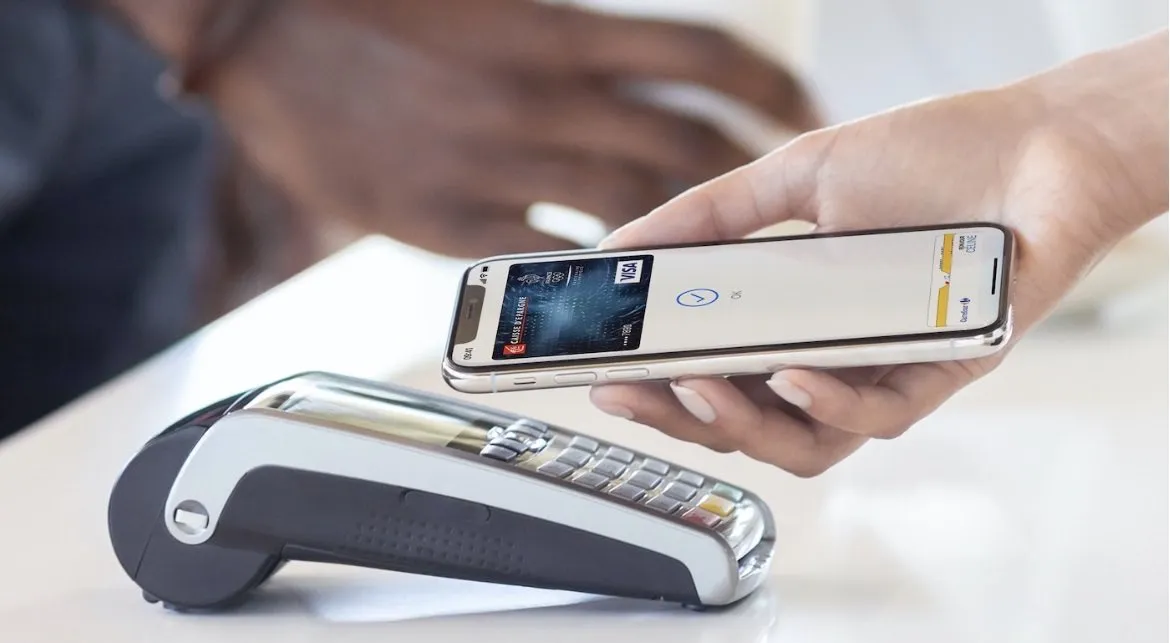
In Europe, this changes nothing at your next supermarket run: contactless has been standard in retail for years, and Apple Pay and Google Pay work anywhere a terminal accepts contactless cards. The significance lies elsewhere.
It marks the end of an exception. The last major global player attempting to build a closed payment ecosystem against handset makers’ wallets has just given up. For Apple and Google, it confirms that the phone wallet has become unavoidable infrastructure, much as the bank card did in the 1990s.
Also worth reading: iPhone 18: Apple pushes the base model to early 2027.
The takeaway
Walmart accepts Apple Pay and Google Pay from 24 August 2026, with a full US rollout expected by year end and fuel stations by mid-2027. It is a clear win for digital wallets, and proof that even a giant retailer cannot indefinitely force its own payment rail on its customers.
Do you still carry a physical card, or have you gone phone-only? Share your experience in the comments, and follow our mobile payments coverage on Wanda-techs.com.
Read also:
Share this content: