
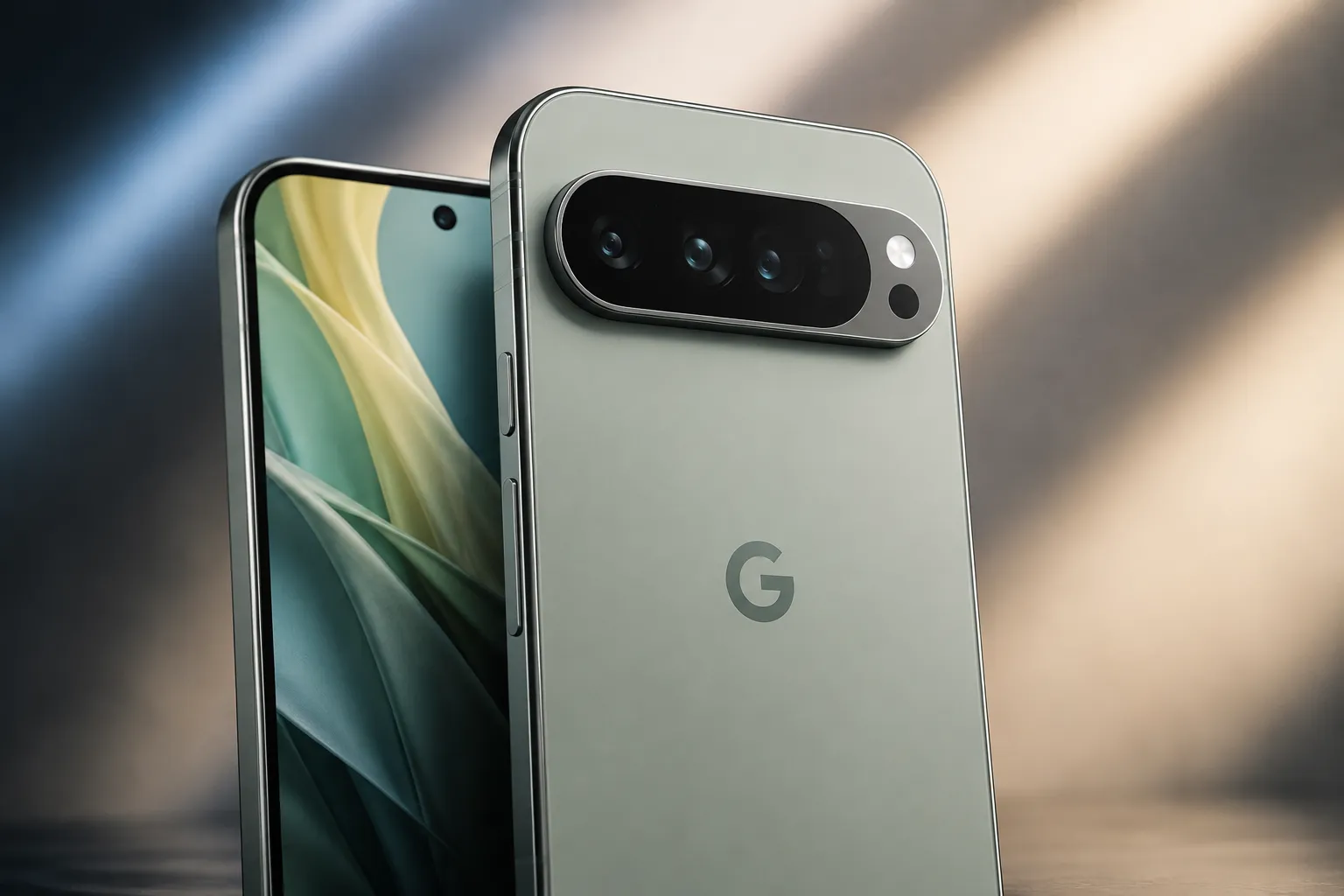
The Pixel 11 Pro officially goes on sale in France today, 20 August 2026, eight days after its unveiling at the Made by Google event. Google is asking 1,199 euros for the 256 GB compact flagship, exactly what the Pixel 10 Pro cost at the same storage tier. The first reviews, published yesterday, paint a mixed picture: the software and camera work convinces, but the headline hardware feature — HiLight — leaves reviewers unimpressed. Here is what you need to know before you spend.
Pricing: Google held the line, except on the larger models
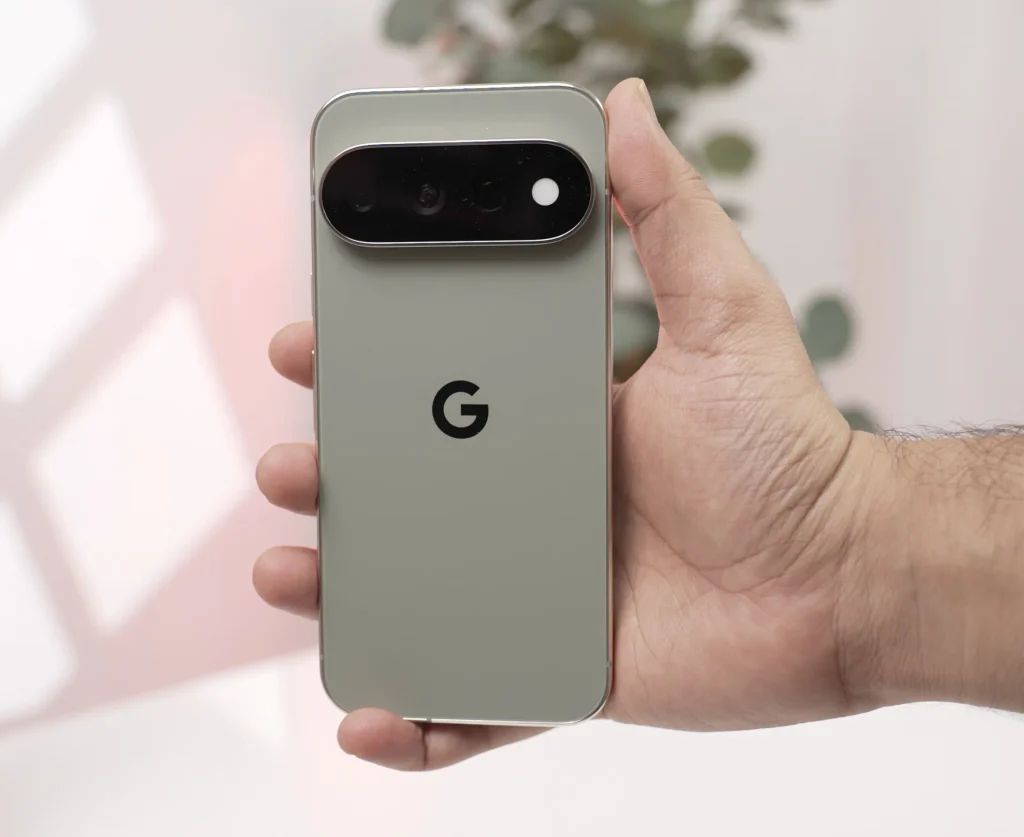
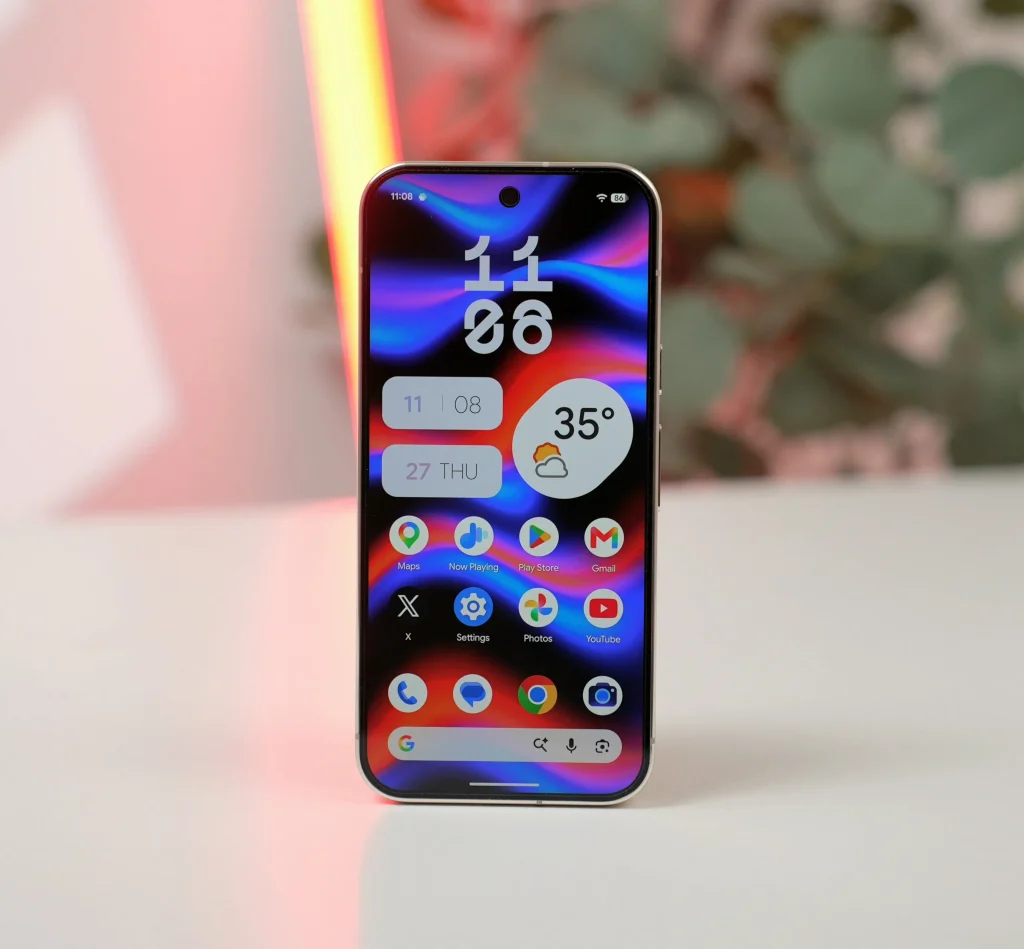
In a market where almost every manufacturer raised prices in 2026, Google showed restraint. At equivalent storage, the French prices of the Pixel 11 and Pixel 11 Pro have not moved a cent from the previous generation.
| Model | 256 GB | 512 GB | 1 TB |
|---|---|---|---|
| Pixel 11 | €999 | — | — |
| Pixel 11 Pro | €1,199 | €1,329 | €1,589 |
| Pixel 11 Pro XL | €1,399 | €1,529 | €1,789 |
| Pixel 11 Pro Fold | €1,999 | €2,129 | €2,389 |
There is an important caveat: the 128 GB tier disappears on the Pixel 11 and Pixel 11 Pro. That was the tier keeping the entry ticket affordable. In absolute terms, you now pay 100 euros more than in 2025 to get into the range, although base storage is doubled in return.
The Pixel 11 Pro XL and Pixel 11 Pro Fold do take a clear 100-euro increase at equivalent storage. Google nonetheless keeps its foldable below the symbolic 2,000-euro mark, which is no longer a given in that segment.
HiLight: a good idea that arrived too early
This is the hardware novelty of the year, and it replaces the temperature sensor that had occupied that spot for two generations. HiLight is a light ring on the back of the phone. Google’s stated goal is unusual: to encourage you to use your phone less, by leaving it face down without missing anything important.
On paper, the promise is appealing. In practice, HiLight does only two things at launch. It lights up when a call deemed important comes in, and it mirrors Gemini’s states — listening, thinking, responding — much like a smart speaker.
That is where it falls short. Messaging support is not there at launch. Yet that is precisely what most users were waiting for: knowing that someone close to you has written without having to turn the phone over. 9to5Google’s editor-in-chief, who used the device for a week, goes as far as to write that keeping the temperature sensor for another year, to let the software mature, would probably have been the better call.
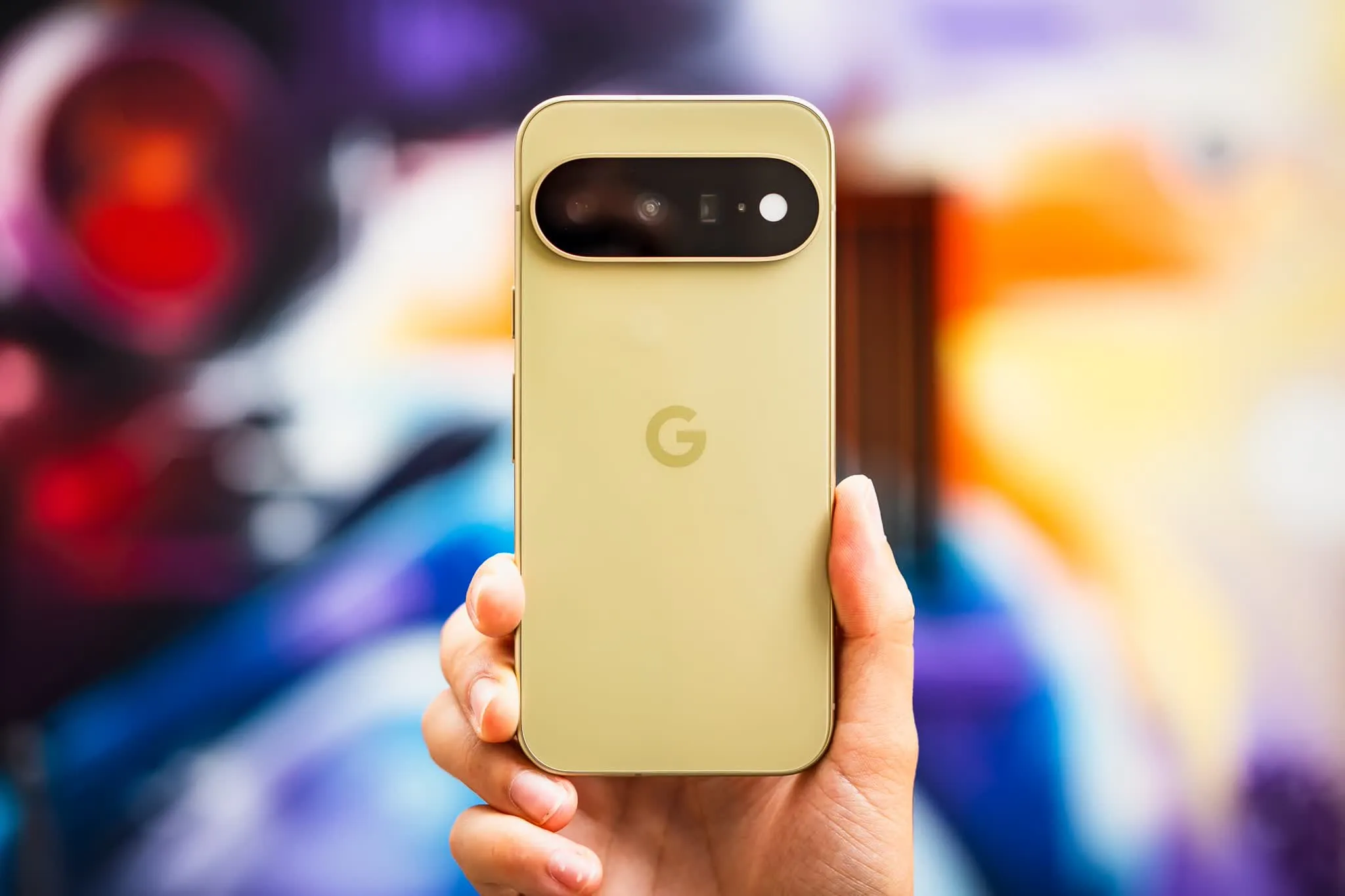
Another practical detail rarely mentioned: to benefit from HiLight, you have to place the phone face down on a surface. Without a case, on a glass desk, that gets uncomfortable fast. The same reviewer notes that a colleague already scuffed the new 2x Scratch Resistant coating with an ordinary keychain.
Gemini Intelligence: this is where the generation is actually won
Google is grouping all its artificial intelligence features under a single banner this year, Gemini Intelligence. The name is marketing, but the coherence is welcome after two generations of scattered labels.
Proactive Assistance succeeds Magic Cue. The principle is unchanged — surfacing a relevant piece of information or action based on what is happening in a conversation — but it finally gains an interface. A tap slides up a sheet showing the context: your calendar for the period concerned, a place listing without leaving the conversation, flight details without opening Google Search. You then choose what actually gets shared. That visual check changes everything: it turns an opaque suggestion into a verifiable proposal.
Gboard Rambler overhauls voice dictation. The transcription no longer appears in real time: you tap the microphone, speak, confirm, and the text appears stripped of hesitations and filler words. The result is clean, but the habit is hard to form. Reviewers report forgetting to confirm the session more than once. Google does at least let you revert to the classic mode in Gboard settings.
Also worth noting, the At a Glance feature now displays your membership cards when you walk into a store. It is still labelled preview, but it finally makes proper use of the space reserved at the top of the lock screen.
Tensor G6 and camera: the real gains are invisible on paper
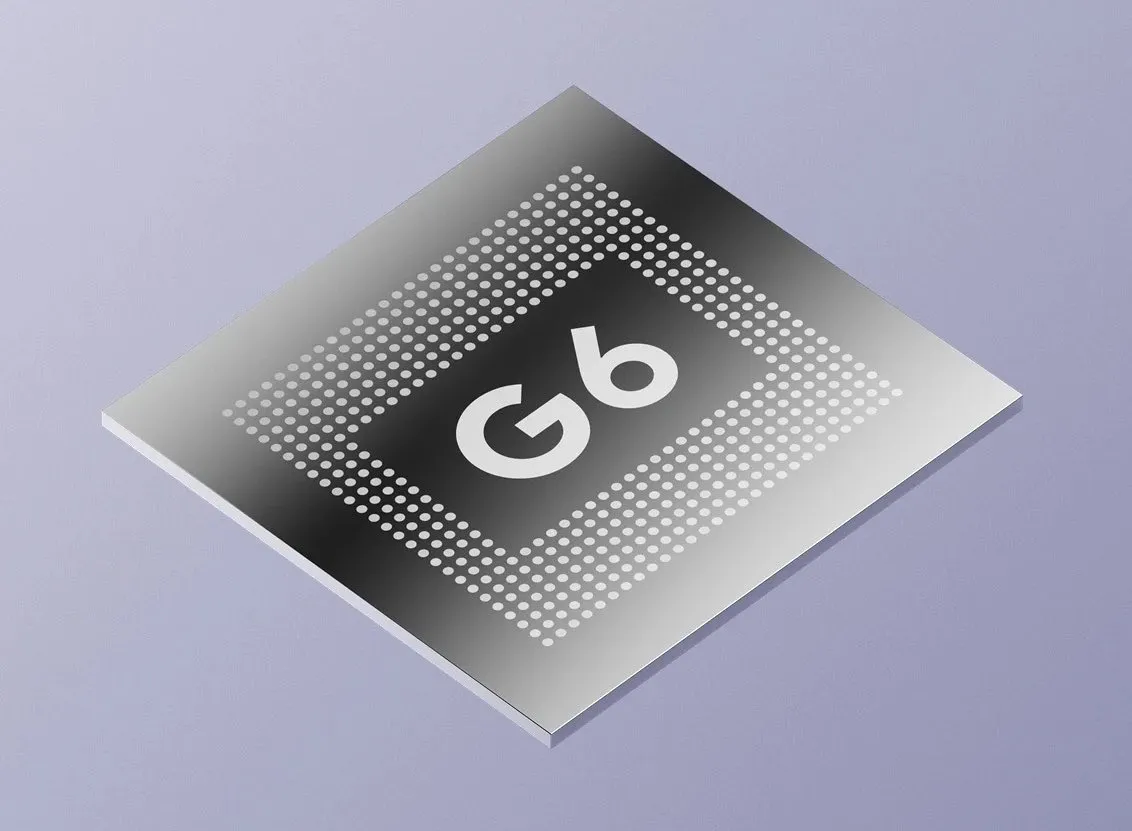
Google claims its Tensor G6 delivers up to 20% better CPU efficiency, 15% faster app launches and 25% faster web browsing compared with the Tensor G5. Reviewers’ verdict: those figures simply cannot be felt in daily use. A 2025 flagship was already more than fast enough.
The real gain lies elsewhere. The image signal processor has been reworked and the neural processing unit gains 50% more compute. In concrete terms, computational photography becomes markedly faster.
The clearest example is Instant Night Sight. Google claims capture up to 4.5 times faster than on the Pixel 8 to 10. Translated for the user: the night scene freezes less, and a moving subject stands a far better chance of coming out sharp.
The new Magic Capture mode also joins the camera app’s selector alongside Photo and Video. It lets you pull still images after the fact from a recorded sequence, a direct answer to the missed moment. Google believes in it enough to let you assign it to the double press of the power button.
Finally, Camera Looks bring four persistent renderings (Original, Natural, Shadows, Vanilla) and six temporary styles (Editorial, Velvet, Classic, Digi, Black Tie, Minimal). Nothing a third-party app cannot do, but native integration greatly increases the odds you will actually use them.
What this means for you
If you own a Pixel 10 Pro, upgrading makes no sense this year. Three grams less, two tenths of a millimetre thinner and a claimed battery life moving from 24+ hours to 30+ hours — for a typical capacity that is actually 20 mAh lower — do not justify 1,199 euros.
If you are coming from a Pixel 8 or something older, the gap is substantial, particularly in night photography and contextual assistance.
One point deserves flagging: the base Pixel 11 Pro drops to 12 GB of RAM, whereas every Pixel 10 Pro shipped with 16 GB. This is not a whim on Google’s part. It is the direct consequence of the global memory crisis that the specialist press now calls RAMageddon, and which is pushing every manufacturer to trim that line item. Twelve gigabytes remains comfortable today; the question will arise in four or five years, on a device meant to receive updates for seven.
Check the Pixel 11 Pro XL price on Amazon
As an Amazon Associate, Wanda-techs earns from qualifying purchases. This affects neither our independent analysis nor the price you pay.
Where to buy at the best price
Google Pixel 11 Pro 256 Go
Smartphone 5G de Google, écran 6,3 pouces, puce Tensor G6 et Gemini, 256 Go.
- AmazonSee at Amazon
- CdiscountSee at Cdiscount
- FnacSee at Fnac
- DartySee at Darty
Google Pixel 11 256 Go
Smartphone 5G de Google, écran 6,3 pouces, puce Tensor G6, 256 Go.
- AmazonSee at Amazon
- CdiscountSee at Cdiscount
- FnacSee at Fnac
- DartySee at Darty
Our conclusion
The Pixel 11 Pro is an excellent phone let down by its own narrative. Google built its messaging around HiLight, a hardware feature that is not ready, while the year’s real progress sits in Gemini Intelligence and in the speed of computational photography. Add the strained memory market, and you get a solid generation that is poorly told.
The sensible advice: if you have a recent Pixel, wait until Google enables messaging support on HiLight before passing judgement. If you are changing device, the Pixel 11 Pro remains, at 1,199 euros, one of the best value propositions in the Android high end in 2026.
Does HiLight win you over, or does it feel like a gimmick? Tell us in the comments, and find all our smartphone reviews and comparisons on Wanda-techs.com.
Read also:
- Xring O3: Xiaomi officially confirms its next-generation in-house chip
- Pixel 11, Pro, Pro XL, and Pro Fold: Google unveils the 2nm Tensor G6
Share this content: