
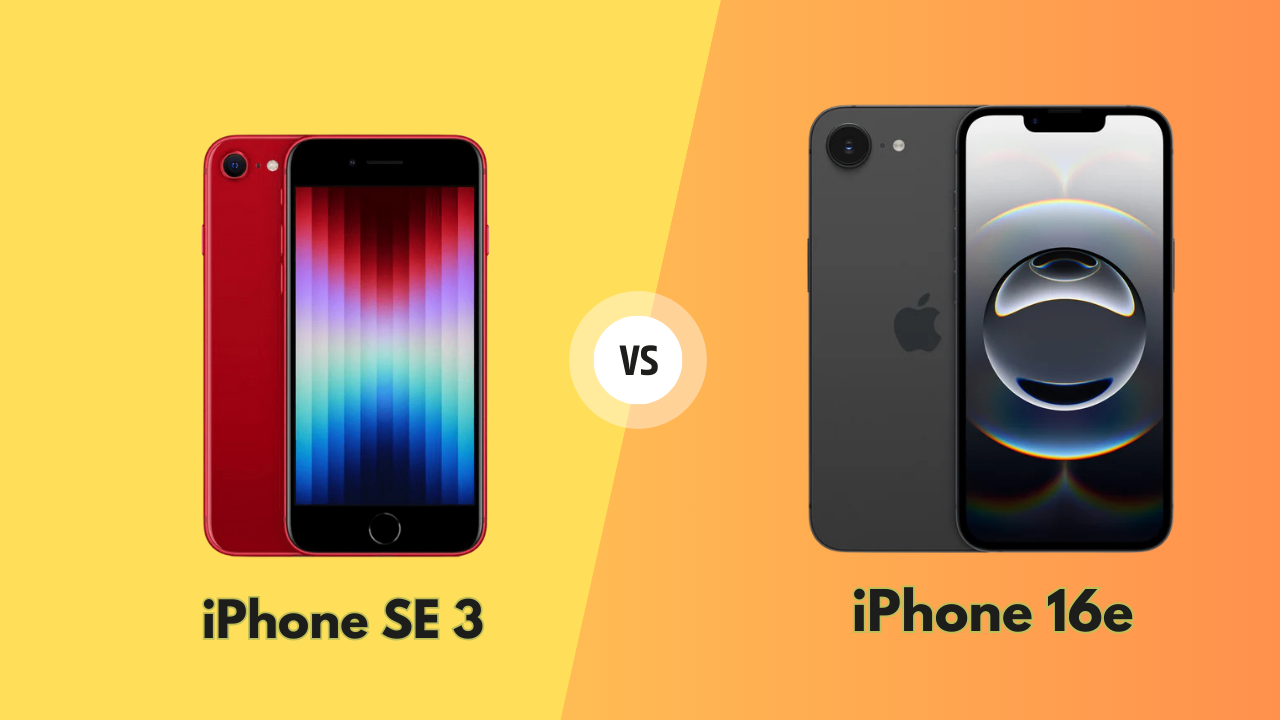
The iPhone 16e takes the place of the previous mid-range model as Apple’s new affordable iPhone, representing a complete redesign of the iPhone SE 3. Through an in-depth analysis of their design, display, performance, camera, and price, we’ll see how they compare.
A more modern design
The iPhone SE 3 retains a rather old-fashioned design with its 4.7-inch display, rounded edges, and the iconic Touch ID home button. While this design remains familiar and comfortable for users who have owned older Apple models, it now feels somewhat dated.
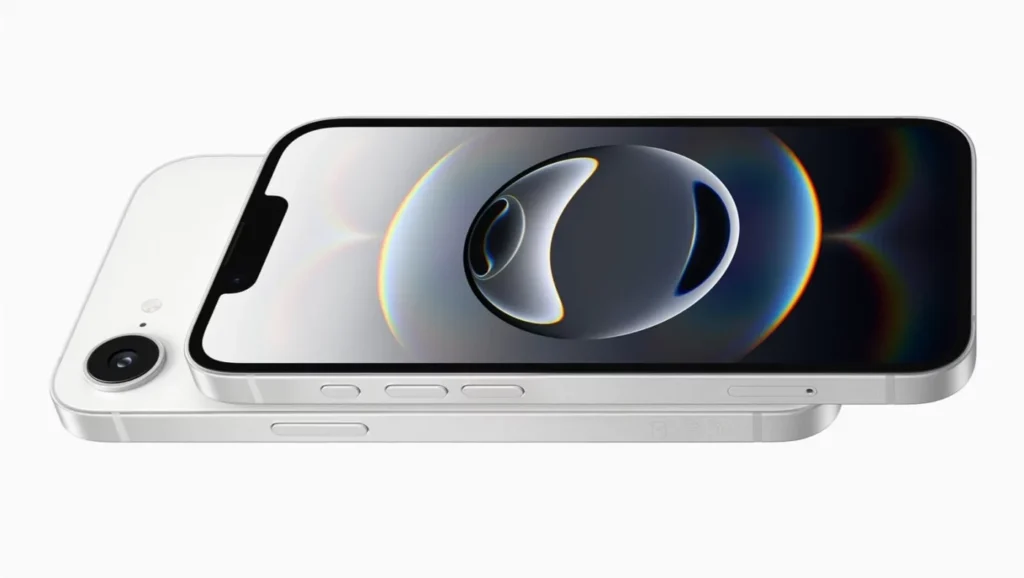
The iPhone 16e, on the other hand, offers a much more modern design with a 6.1-inch edge-to-edge display, a notch for Face ID, and a more refined glass body. This design change gives the iPhone 16e a more contemporary and elegant look, while also benefiting from improved water resistance (IP68 compared to IP67 on the SE 3).
A larger display for full immersion
The 16e upgrades to a 6.1-inch OLED display, which is a significant 1.4-inch increase compared to the older iPhone SE 3, which features a 4.7-inch Retina LCD screen.
The iPhone 16e offers a resolution of 1170 x 2532 pixels compared to the modest 750 x 1334 pixels of the older model. This OLED display delivers deeper blacks and improved peak brightness of 1200 nits. Despite these improvements, both iPhones are still limited to a 60 Hz refresh rate.
Performance: The iPhone 16e pushes the limits of power
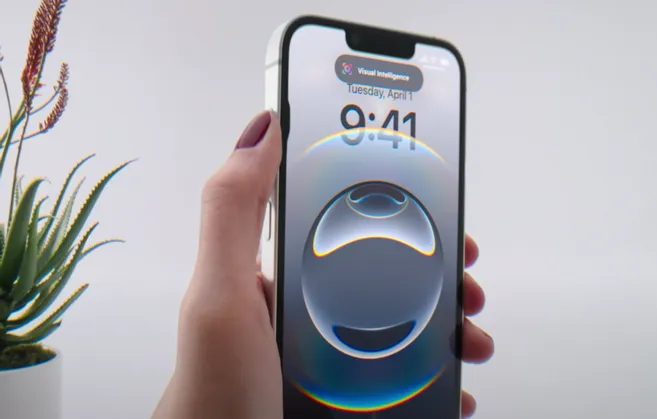
The iPhone 16e is powered by the latest A18 chip, which is significantly faster and more efficient, delivering superior performance in heavy applications and modern games. In comparison, the A15 Bionic chip in the iPhone SE 3 is still powerful and capable of handling modern apps easily but begins to show signs of aging against the latest innovations. It’s also worth noting the base storage difference: 128 GB for the 16e versus 64 GB for the SE 3.
Camera: Notable improvements in photography on the iPhone 16e
The iPhone SE 3 features a 12 MP sensor, capable of taking good photos in normal lighting conditions. However, this was not always sufficient. Enter the iPhone 16e, with its 48 MP main sensor, which brings a clear improvement in image quality.
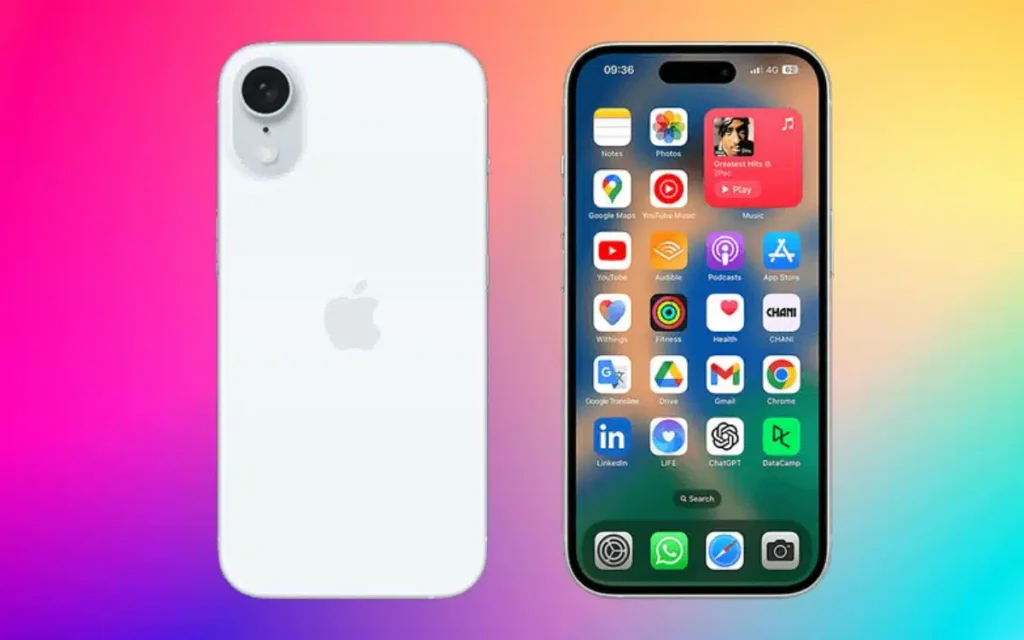
That said, there is still only a single rear camera. Additionally, the iPhone 16e’s 12 MP front camera, compared to 7 MP on the iPhone SE 3, allows for much higher-quality selfies.
The iPhone 16e benefits from better battery life
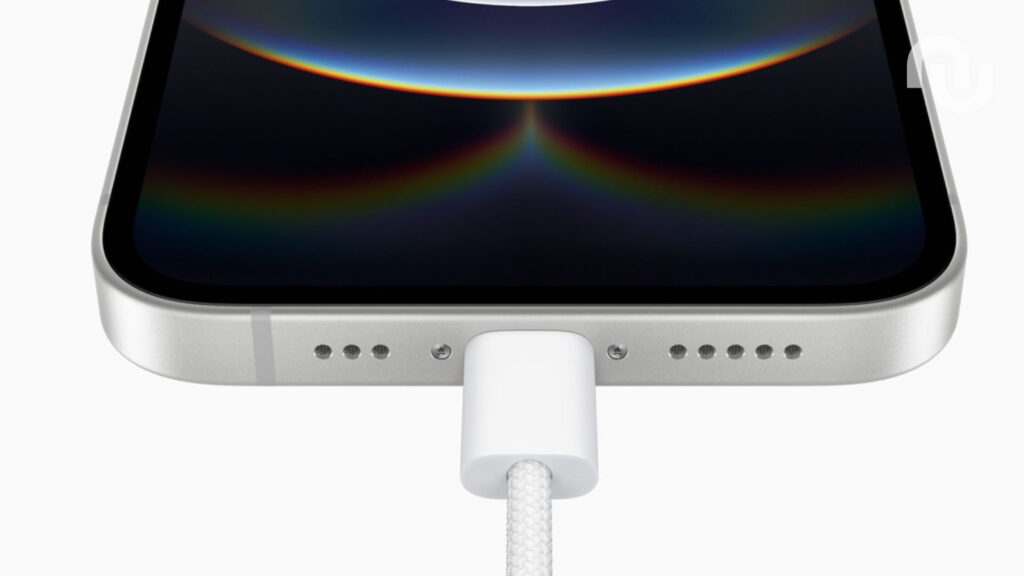
The iPhone SE 3 and iPhone 16e share the same charging technologies, including 20 W fast charging and 7.5 W wireless charging via Qi. However, the major difference lies in battery life. The iPhone SE 3, with its 2018 mAh battery, offers decent but limited endurance for intensive use.
On the other hand, the iPhone 16e benefits from a larger and optimized battery, allowing it to last longer. So, while charging times are identical, the iPhone 16e is more enduring, offering a better long-term experience.
iPhone 16e vs iPhone SE 3: Is the price gap justified?
The iPhone SE 3 is the more affordable option, with a starting price of $429. This model remains an excellent choice for users who want a solid iPhone at a reasonable price.
However, the iPhone 16e, with its more modern design, better display, superior performance, and improved camera, is offered at a starting price of $599. While the price gap is notable, it is justified by the many improvements in these areas.
Conclusion: An essential upgrade for a more modern smartphone
The iPhone 16e represents a real evolution compared to its predecessor, bringing significant improvements in design, display, and battery life while remaining accessible. It addresses the main weaknesses of the iPhone SE 3, providing a more modern and powerful alternative for a controlled budget.
Read also:
iPhone 16 Pro Max vs Samsung Galaxy S25 Ultra: Clash of the Titans
Share this content: