
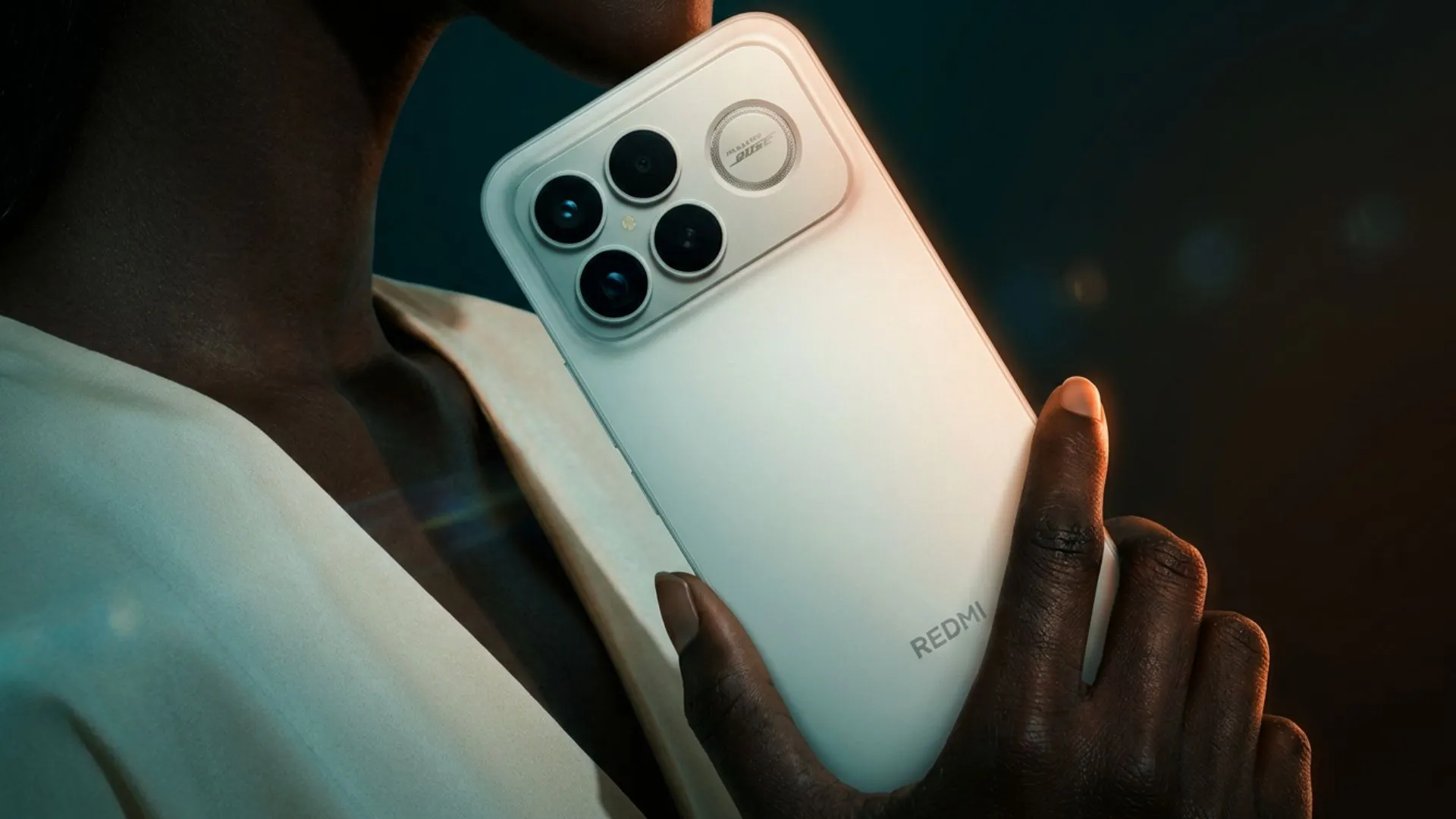
On July 28, 2026, Redmi published its first official teaser on Chinese social media for the Redmi K100 series, its upcoming flagship smartphone lineup. The Xiaomi sub-brand confirmed its presence at ChinaJoy 2026, running from July 31 to August 3 at the Shanghai New International Expo Center, where it will showcase what it calls its “annual flagship product.” The teaser artwork references the “Demon King” nickname long associated with the K series, and promises a showcase inside Qualcomm’s dedicated Snapdragon booth.
What the teaser officially confirms
Unlike a typical leak, this teaser comes directly from Redmi, which makes it a reliable source on at least two points: the date of its first public appearance, timed with ChinaJoy’s opening on July 31, and the location of that appearance, inside the Snapdragon booth (booth N5-02) run by Qualcomm at the show. That choice isn’t incidental: it indirectly confirms that the future K100’s chip will indeed come from the Snapdragon 8 Elite line, continuing a long-standing partnership between Redmi and the American chipmaker on its K series, known for offering an aggressive price-to-performance ratio compared to standard Xiaomi or Samsung flagships.
According to information shared by Redmi itself, this ChinaJoy appearance will serve as an early preview ahead of a full commercial launch announced for August 2026. This two-stage teasing strategy, a hardware showcase at a consumer-facing event followed by an official launch weeks later, is now a common practice for Xiaomi and its sub-brands to maximize media coverage over an extended period.
Expected specs, to be taken with caution
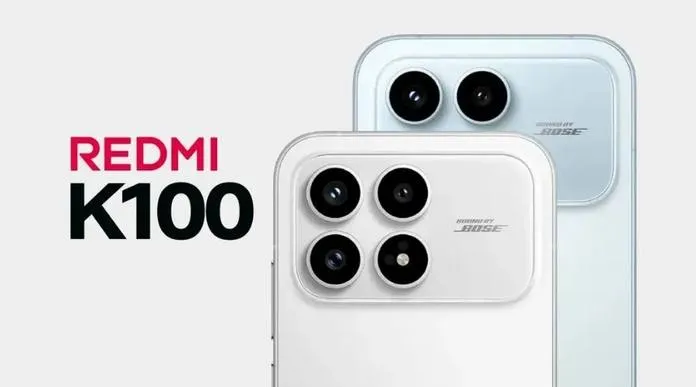
Beyond what Redmi has confirmed, several converging leaks, reported by outlets such as Gizmochina, GSMArena, and Notebookcheck, sketch out a lineup structured around three models: Redmi K100, Redmi K100 Pro, and Redmi K100 Pro Max. This information remains, by nature, unofficial until confirmed at the August launch.
- Processor: Qualcomm Snapdragon 8 Elite Gen 5, the chipmaker’s latest flagship chip, also announced on the Galaxy Z Fold 8 series unveiled by Samsung on July 22.
- Display: an LTPO panel with a very high refresh rate, reportedly up to 185Hz according to some leaks, a strong selling point for the gaming segment.
- Camera: a 200-megapixel main sensor, a resolution now common on Chinese flagships to compete in daylight photography and digital zoom alike.
- Battery: reported capacity between 8,000 and 10,000mAh depending on the model, a segment where Redmi and parent company Xiaomi have taken a clear lead over Western standards, still often capped at 4,000-5,000mAh.
- Durability: IP68 or even IP69 certification on some versions, ensuring enhanced resistance to dust, water immersion, and even high-pressure, high-temperature water jets.
If confirmed, these specs would position the K100 series as one of the most competitive Android lineups of 2026 on paper, particularly on the battery-to-performance ratio, an area where Chinese brands regularly outpace their Western competitors.
Why this announcement matters, even outside China
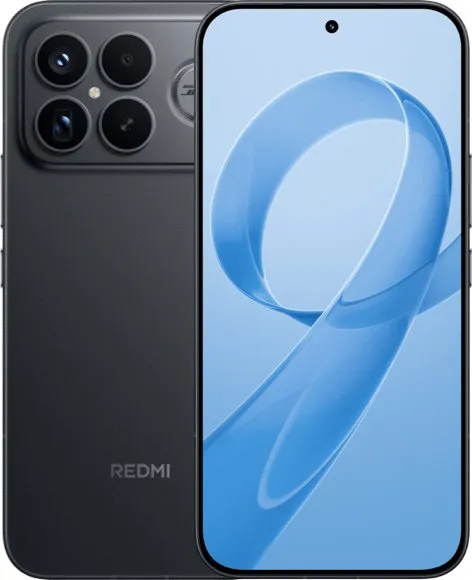
The Redmi K series is historically not sold as-is in Europe: its models most often serve as the technical basis for rebadged versions sold under the Xiaomi POCO F or POCO X names for international markets, with some adjustments to specs and pricing. Following K100 news is therefore also a way to anticipate future POCO phones that will land in France in the following months, a pattern well documented by brand watchers.
The timing of this announcement also reflects just how packed the summer 2026 Android calendar is: it comes barely a week after Samsung’s Galaxy Unpacked, while Google has just confirmed its Pixel 11 event for August 12 in New York. Competition between Chinese, Korean, and American manufacturers for media attention ahead of the back-to-school season looks set to be especially intense.
For hardware enthusiasts, the K100 also matters as a technology showcase for the Snapdragon 8 Elite Gen 5: as one of the very first phones to carry it alongside the Galaxy Z Fold 8, it will allow direct performance and thermal management comparisons between the Korean and Chinese approaches to the same chip, an exercise favored by specialized reviewers.
ChinaJoy, a strategic showcase rather than a trade show
For a Western audience, choosing ChinaJoy as the venue may seem surprising: unlike CES in Las Vegas or MWC in Barcelona, ChinaJoy is primarily a consumer-facing gaming and digital entertainment show, one of the largest in Asia by attendance. By showcasing its future flagship inside Qualcomm’s own booth, Redmi is directly targeting an audience of gamers and hardware enthusiasts, the K series’ historical core audience, rather than trade press or B2B professionals as would be the case at a traditional industry show.
This choice also confirms Redmi’s marketing strategy for this lineup: positioning the K100 as a smartphone built for mobile gaming, an argument reinforced by the high refresh-rate LTPO display and the oversized battery mentioned in the leaks. As a reminder, an LTPO (Low-Temperature Polycrystalline Oxide) panel can dynamically vary its refresh rate, from just a few hertz on standby up to its maximum while gaming, optimizing both smoothness and power consumption, a trade-off particularly valued on a device built for long mobile gaming sessions.
Similarly, the IP68/IP69 rating mentioned in the rumors would go beyond standard water and dust resistance (IP68) by adding resistance to high-pressure, high-temperature water jets (IP69), a standard borrowed from industrial equipment and increasingly adopted by Chinese flagships to stand out on durability, an argument that appeals to gamers and to users focused on their device’s long-term resilience alike.
What to watch next
Mark your calendar for July 31, when the Redmi K100 will make its first public appearance at Qualcomm’s ChinaJoy 2026 booth, where Redmi is expected to reveal further details on design and some software features. The full commercial launch, with final specs and pricing, is expected in China sometime in August 2026, ahead of a possible international rollout under the POCO brand in the following months.
Wanda-techs will follow this presentation closely and will publish a full analysis as soon as the official specs are confirmed. In the meantime, if you want to compare this upcoming flagship to what’s already available, our roundup of the best Android smartphones right now is a solid starting point.
What do you think of Redmi’s increasingly aggressive push on battery life and raw performance? Share your thoughts in the comments, and check out all our Xiaomi and Redmi coverage on Wanda-techs.
Share this content: