Pixel 11 HiLight: all nine notification LED colours revealed
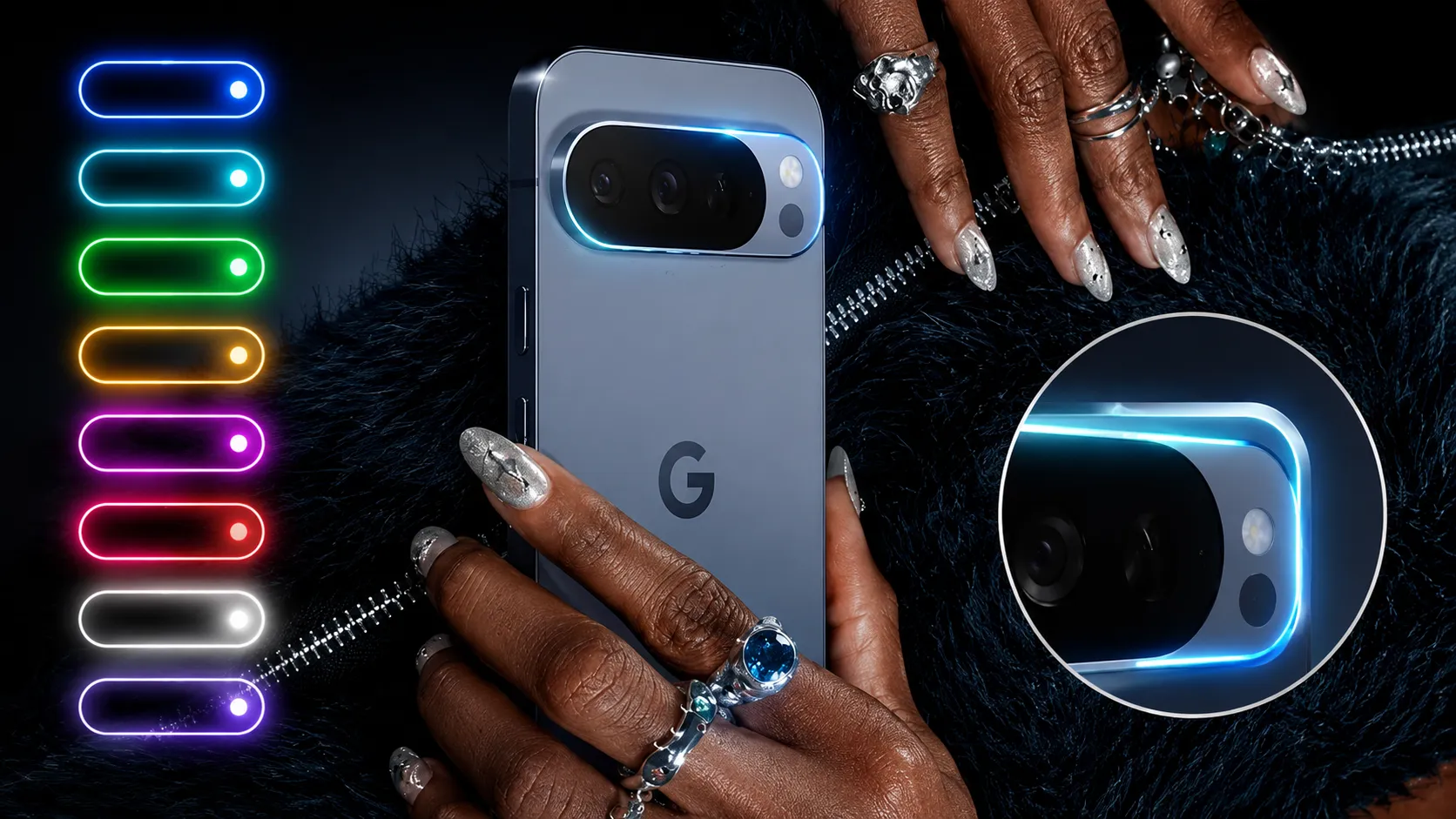
One week before the Made by Google event, the Pixel 11’s HiLight feature has just given up its last secrets. Code strings discovered in version 4.85 of the Google Contacts app on 5 August 2026 reveal the nine colours available for this LED fitted to the camera bar of Google’s upcoming phones, along with how you will be able to tie it to your favourite contacts. After a decade away, the notification light is coming back to Android, and this time it is in colour.
HiLight: what the Google Contacts code reveals
The information comes from 9to5Google, a site that regularly performs app teardowns. The technique involves decompiling the latest version of an app published on the Play Store to spot text strings matching features that have not yet been switched on.
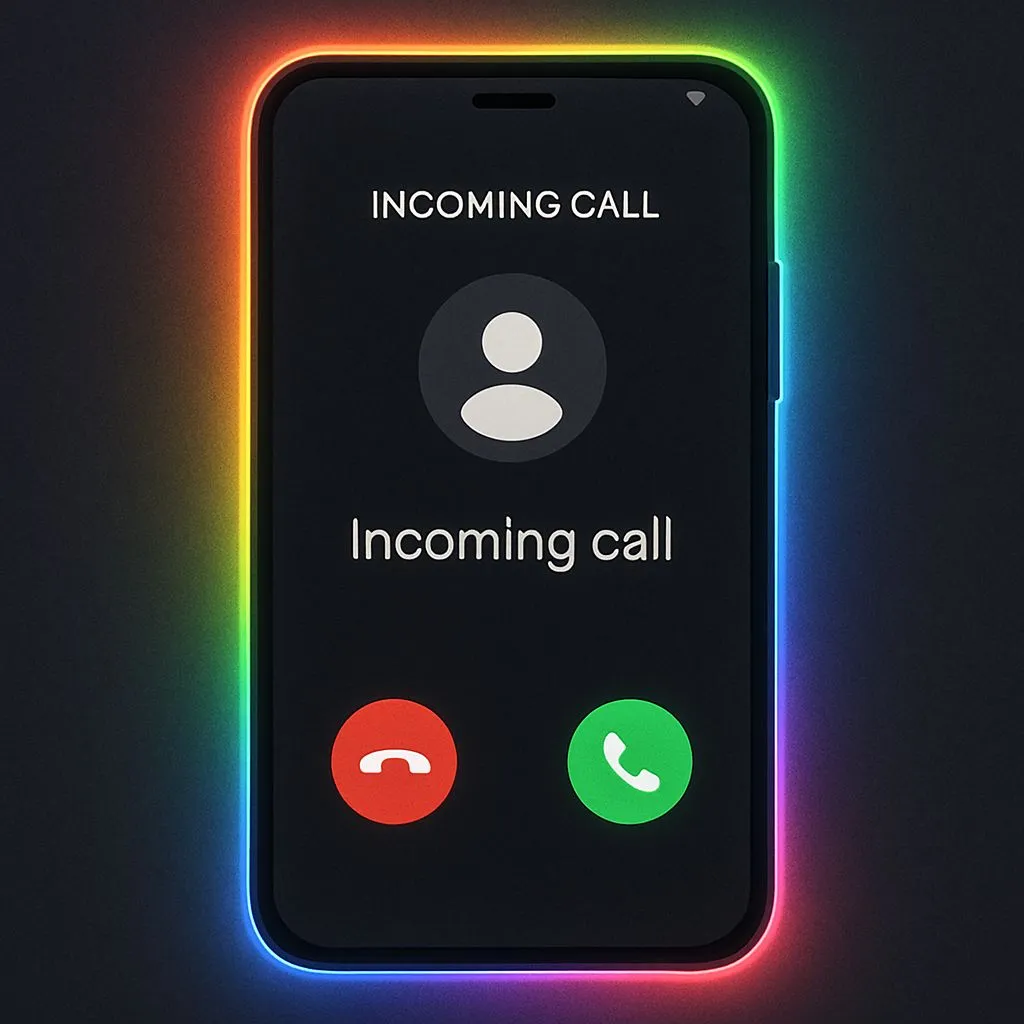
In version 4.85 of Google Contacts, several of those strings spell out how HiLight works, referred to internally by the codename “glow”. They include an invitation to configure HiLight for favourite callers, along with the ability to assign a custom colour to flag their calls.
The principle is straightforward. In your contacts list, you will be able to assign a specific light colour to each favourite contact. When that person calls, the LED will light up in the chosen colour, letting you know who is calling without even turning your phone over.
The integration mirrors exactly the logic of the Pixel VIPs feature, already tied into the Contacts app. Google is visibly building a coherent set of tools around the notion of priority contacts.
Nine colours available at launch
This is the main contribution of the latest leak: the full list of supported shades. HiLight will offer nine colours:
- Blue
- Cyan
- Green
- Orange
- Pink
- Purple
- Teal
- White
- Yellow
Nine shades is few compared with the millions of colours an RGB light can technically produce. But it is a sensible choice in usage terms: beyond a handful of clearly distinct colours, the human eye can no longer identify a caller at a glance. Google is prioritising legibility over abundance here.
Worth noting is that the palette carefully avoids shades that sit too close together, with the possible exception of cyan and teal, which could be confusing depending on ambient light.
A second function: Gemini status when the phone is face down
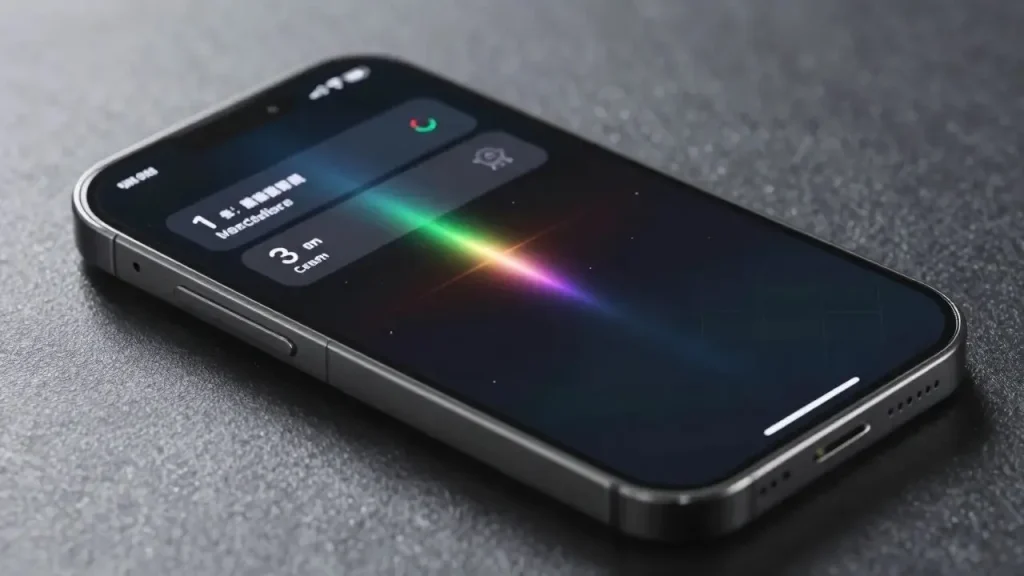
HiLight will not be limited to incoming calls. According to leaks gathered over recent weeks, the LED will also indicate the status of Gemini, Google’s artificial intelligence assistant, when the phone is placed screen-down on a table.
That use case is smarter than it first appears. When you talk to an assistant by voice, you get no visual feedback if the screen is hidden: you do not know whether the device is listening, thinking, or has finished its answer. A light that changes state solves the problem without forcing you to flip the phone over.
The name “HiLight” itself has only been confirmed since late July. Until then, the feature circulated under the label “Pixel Glow”, which remains its codename in the system.
The notification LED makes its comeback
You have to put HiLight in historical context to grasp why this leak is drawing so much reaction. The notification LED was standard on Android phones through the first half of the 2010s: a small light, often on the front, blinking to signal an unread message or a charging battery.
That LED gradually disappeared, a casualty of the race towards bezel-less screens and the arrival of always-on displays. Many long-time users never got over it, arguing that an always-on display draws more power and requires you to look at the screen, whereas an LED could be spotted out of the corner of your eye.
Google is therefore reviving the idea, but relocating it: the light is no longer on the front but on the camera bar, at the back of the device. That makes sense, since the feature is designed for a phone lying screen-down. It also explains why HiLight complements, and possibly replaces, the traditional flash’s role in that area.
Made by Google event set for 12 August
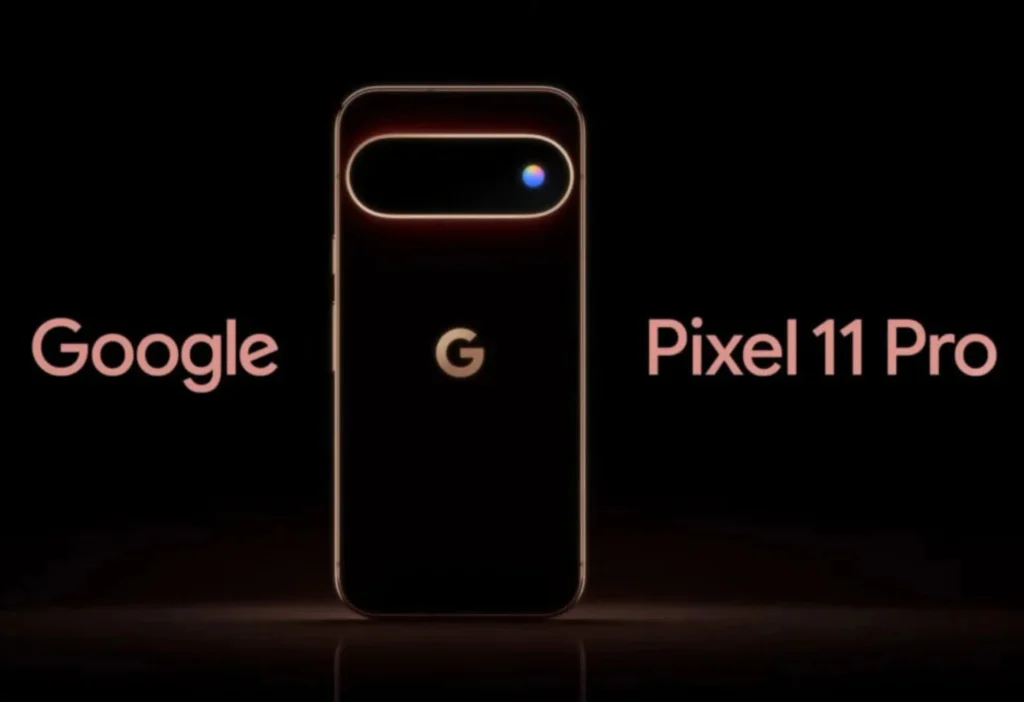
All these leaks converge on one date: 12 August 2026. Google will hold its Made by Google event that day, streamed live from New York at 6 pm US Eastern time. The official Pixel 11 landing page has been live since 15 July, confirming the naming chosen for the 2026 line-up.
Four models are expected: the Pixel 11, Pixel 11 Pro, Pixel 11 Pro XL and Pixel 11 Pro Fold. On the technical side, leaks point to a Tensor G6 chip and a MediaTek M90 modem.
Two changes bear directly on your wallet. First, Google would drop the 128 GB storage tier, making 256 GB the new baseline, with 512 GB and 1 TB options above it. Second, leaked US pricing puts the Pixel 11 at 899 dollars for 256 GB, the Pixel 11 Pro at 1,099 dollars, the Pro XL at 1,299 dollars and the Pro Fold above 1,899 dollars. These figures remain leaks and say nothing definitive about European pricing, which includes VAT and is set separately.
The colours have leaked too: Midnight, Fuschia, Moss and Sterling for the base model, and Midnight, Fog, Pine and Dune for the Pro and Pro XL.
What this means for you
If you are considering a Pixel 11, HiLight probably will not be the deciding factor in your purchase. It is a convenience feature, not a technical revolution. But it is exactly the kind of detail that builds day-to-day attachment to a phone: knowing who is calling without moving a hand, spotting an important notification from across the table.
One methodological caveat is in order, though. Information drawn from an app teardown describes features still in development. Google may yet change the colour list, delay HiLight’s availability, or restrict the feature to certain models in the range. Nothing indicates, for instance, whether the base Pixel 11 will get the same level of customisation as the Pro models.
The open question is whether third-party apps will get access. An LED reserved for calls and Gemini has limited appeal; an LED that WhatsApp, Signal or your work messaging app could drive would genuinely change things. We will find out on 12 August.
Are you hoping for anything in particular from this Made by Google event? Share your predictions in the comments, and come back for our full coverage on the day.
read also:
- iPhone 18 Pro and foldable iPhone: details emerge about Apple’s September keynote
- Pixel 11: marketing images leak ahead of August 12
- Pixel: is your battery draining even in standby mode since Android 16? Here’s what to do
Share this content:




Post Comment