
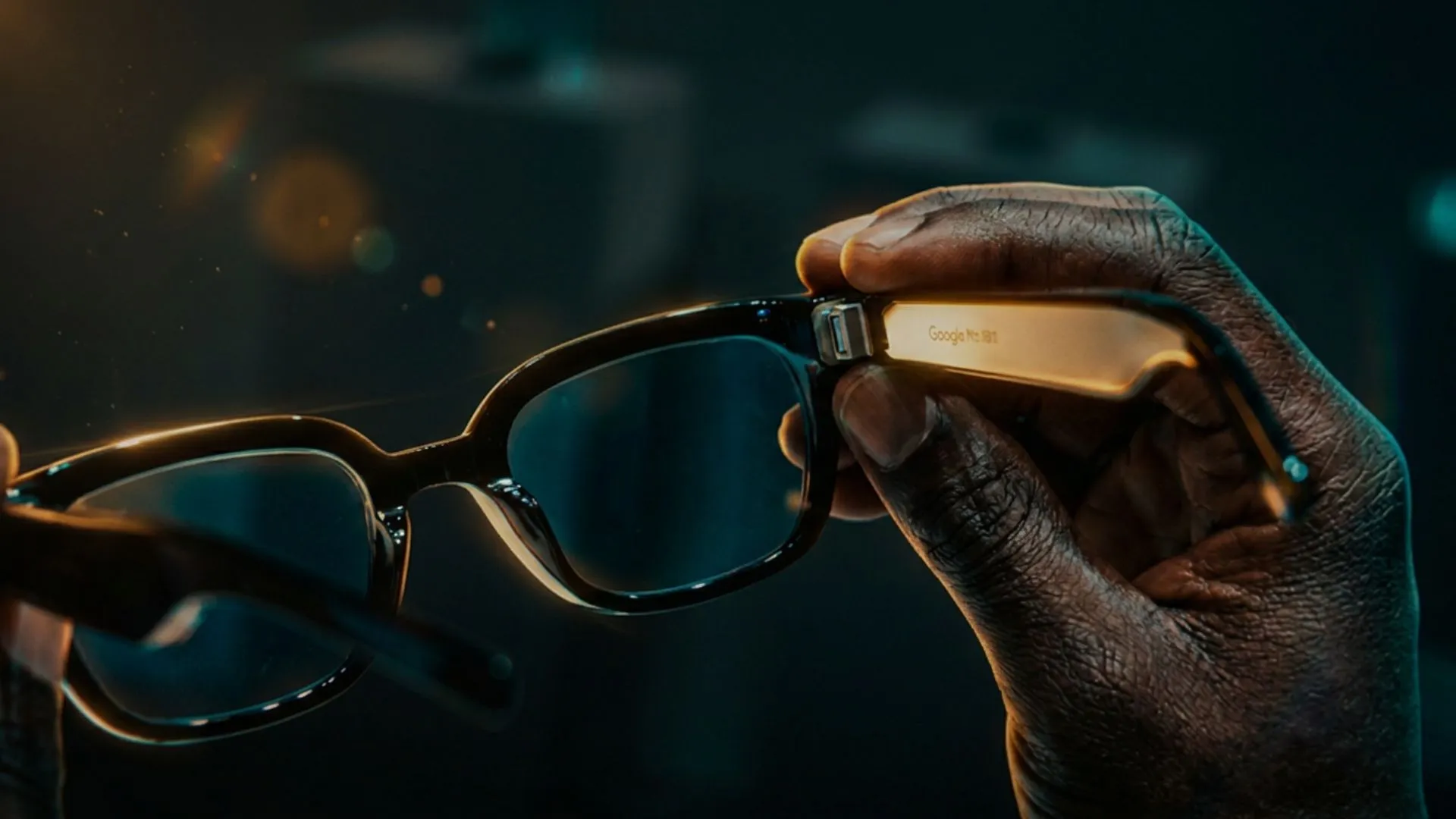
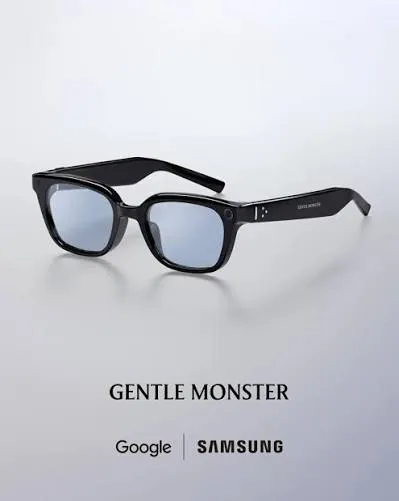
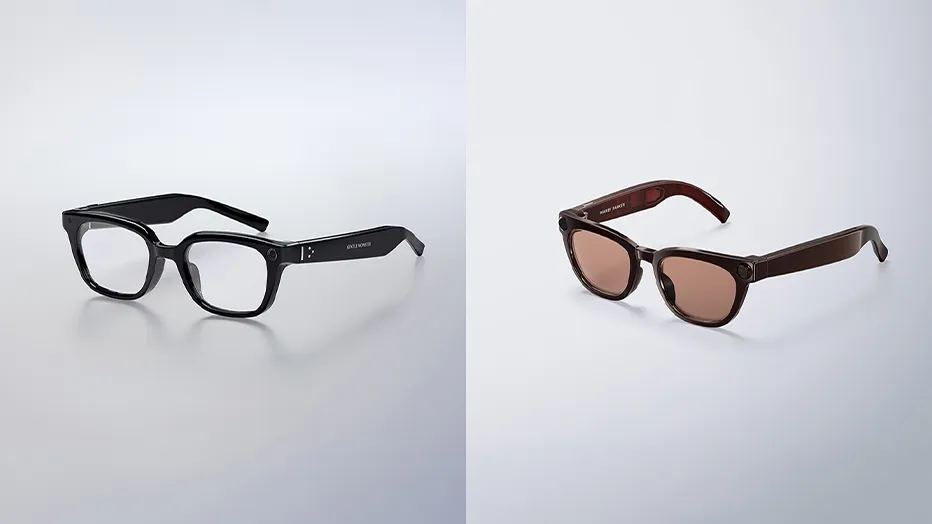
After unveiling its smart glasses at the Galaxy Unpacked event on July 22, 2026 in London, Samsung this week addressed a question many prospective buyers had been waiting on: the price of the Galaxy Glasses, its first glasses running Android XR, developed in collaboration with Google. Samsung’s head of extended reality (XR) research and development said the device would be priced “at a reasonable level,” while still placing it firmly in the “premium” category. This deliberately measured messaging is meant to set expectations ahead of a launch planned for fall 2026.
What Samsung has actually confirmed on price
Unlike brands that reveal an exact price at the product unveiling, Samsung chose a two-step communication approach for the Galaxy Glasses: a hardware reveal at the July Unpacked event, followed by this pricing clarification a few days later. The official message remains deliberately vague: the glasses will be priced “at a reasonable level,” but still within the premium segment of the connected accessories market, which rules out an entry-level positioning against competitors like Ray-Ban Meta.
Several outlets, including Android Central and Chrome Unboxed, report a price range of $379 to $499 for a first, audio-only model, meaning a version without a built-in display, focused on the voice assistant, photo/video capture, and spatial audio playback. This range has not been confirmed figure-by-figure by Samsung at this stage, and should be treated as a market estimate rather than an official price.
Why Samsung is betting big on smart glasses
The Galaxy Glasses reveal fits into a broader context: the July 2026 Galaxy Unpacked event was described by several observers, including VR.org, as Samsung’s biggest hardware event of the year, even bigger than the launch of its new foldables, the Galaxy Z Fold 8, Z Fold 8 Ultra, and Z Flip 8. While those foldables grabbed immediate attention thanks to spectacular specs, starting with the Z Fold 8 Ultra’s 4.1mm unfolded thickness, it’s the glasses reveal that, according to these analyses, marks a platform-defining moment for the Korean company.
By betting on Android XR, an operating system co-built with Google, Samsung is positioning itself early in a space where Apple, with its Vision Pro, and Meta, with its Ray-Ban lineup, remain today’s most visible mainstream references. Unlike Apple’s immersive headset, designed for seated, stationary use, the Galaxy Glasses adopt a glasses form factor, more discreet and built for everyday, on-the-go use, a positioning closer to Meta’s approach.
The “reasonable but premium” pricing strategy Samsung describes aims precisely at striking a balance: staying accessible enough to reach a wider audience than the very narrow one buying mixed-reality headsets priced above $3,000, while avoiding underselling a technologically ambitious product packed with sensors, cameras, and onboard processing power.
What we already know about the Galaxy Glasses
While the full spec sheet hasn’t been detailed in its entirety, several elements have already leaked or been confirmed at the July Unpacked event:
- Runs on Android XR, developed jointly by Samsung and Google.
- A first model focused on audio and capture (photo, video, voice assistant), without a built-in display in this first iteration.
- A fall 2026 launch planned, with no exact date announced yet.
- A pricing position in the premium segment, with a market estimate around $379 to $499.
- A launch alongside the Galaxy Watch 9 and Galaxy Watch Ultra 2, as part of a broader connected ecosystem strategy.
This phased approach echoes what Samsung has done in other product categories, where a simpler first model tests the market before a version with a built-in display and more advanced augmented reality features arrives one or two generations later.
Android XR, Samsung and Google’s shared bet
It’s worth placing the Galaxy Glasses within Samsung and Google’s broader strategy around Android XR, the version of Android built specifically for headsets and glasses. The platform already powered the Samsung Galaxy XR headset, a bulkier device geared toward full immersion, in the vein of Apple’s Vision Pro. The Galaxy Glasses represent a much lighter, more portable take on that same software platform, built for discreet everyday use rather than immersive seated sessions.
This dual approach, an immersive headset on one side and lightweight glasses on the other, lets Samsung and Google cover two distinct market segments at once with a single software foundation. For developers, this also means the ability to build apps compatible across the entire Android XR lineup, an important argument for attracting a rich enough third-party ecosystem, often the Achilles’ heel of previous attempts at smart glasses.
Revealing pricing just days after the hardware unveiling, rather than on Unpacked day itself, also suggests Samsung is still fine-tuning its go-to-market strategy right up to the last minute, likely based on feedback from press and attendees at the July 22 London event.
What this means for you
European consumers will still need to wait for availability and exact pricing in euros, as Samsung has so far only shared price indications in dollars for the US market. Brand watchers know, however, that its international announcements typically follow US announcements fairly closely, within a few weeks to a few months depending on the product category.
If you’re currently torn between investing in a full mixed-reality headset or waiting for a lighter, more affordable alternative, the Galaxy Glasses could be worth watching closely between now and fall, particularly if Samsung confirms a price near the lower end of the range mentioned. It remains to be seen how quickly Google and Samsung will build out the Android XR app ecosystem, often a decisive factor in mainstream adoption of this type of accessory.
Wanda-techs will update this story as soon as Samsung confirms a firm price and release date. In the meantime, let us know in the comments whether this glasses form factor appeals to you more than a full XR headset, and check out all our Samsung Galaxy coverage on Wanda-techs.
Share this content: