
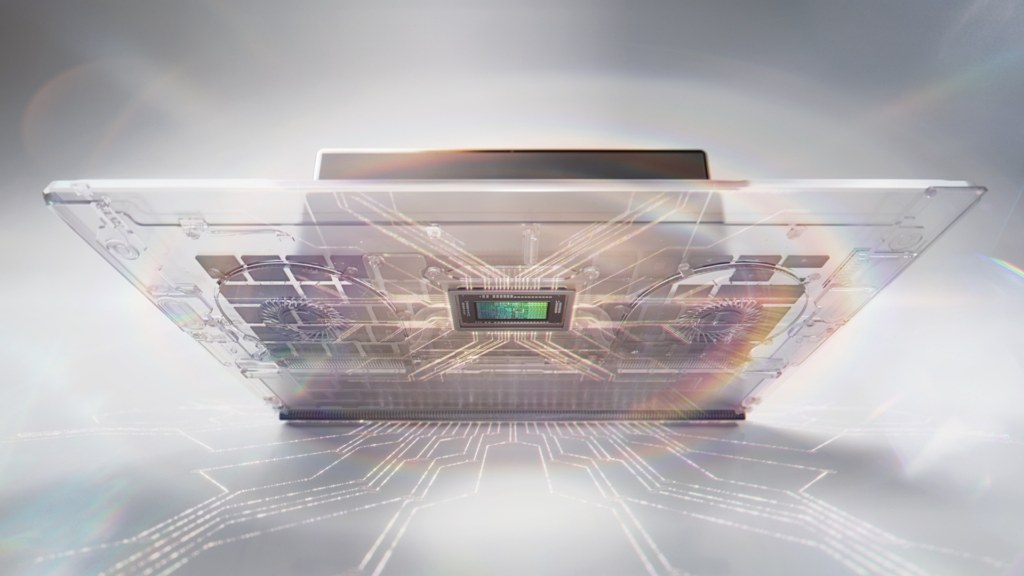
The first PCs built on the Nvidia RTX Spark platform are due in October 2026, and Microsoft is expected to show its Surface Laptop Ultra today, October 7. The recipe: an Arm processor paired with a Blackwell GPU, up to 128 GB of shared memory, and a Windows tuned to make use of it. Here is what we know, and what is still missing.
RTX Spark: what the platform promises

Unveiled at Computex 2026, RTX Spark is built for Windows PCs running on Arm. Nvidia targets three groups: developers, creators and gamers. The headline figures are ambitious:
- up to 1 petaflop of AI performance;
- up to 20 Arm CPU cores;
- up to 6,144 Blackwell RTX graphics cores;
- up to 128 GB of unified memory shared between CPU and GPU.
Unified memory means one pool that the processor and the graphics chip both draw from, with no copying between them. According to Nvidia, that is what lets a laptop run large AI models locally or load 3D scenes above 90 GB.
Which PCs, and when?


Six manufacturers have shown machines: Microsoft (Surface Laptop Ultra), ASUS (ProArt), Dell (XPS 16 Creator Edition), HP (OmniBook Ultra 16 and OmniBook X 14), Lenovo (Yoga Pro 9n) and MSI (Prestige N16 Flip AI+). Acer and Gigabyte will follow later. Nvidia talks about an October 2026 launch window, with two configurations at the start.
Pricing has not been disclosed yet. That is the number to watch during Microsoft’s presentation.
Windows adjusted for the occasion
Microsoft has planned system changes: workload profiles to spread tasks better, improved support for unified memory, and reworked memory page handling for GPU access. The company is also bringing Windows to Nvidia’s DGX Station, a desktop machine built around the GB300 Grace Blackwell Ultra chip.
Gaming, creation, AI: claims to verify
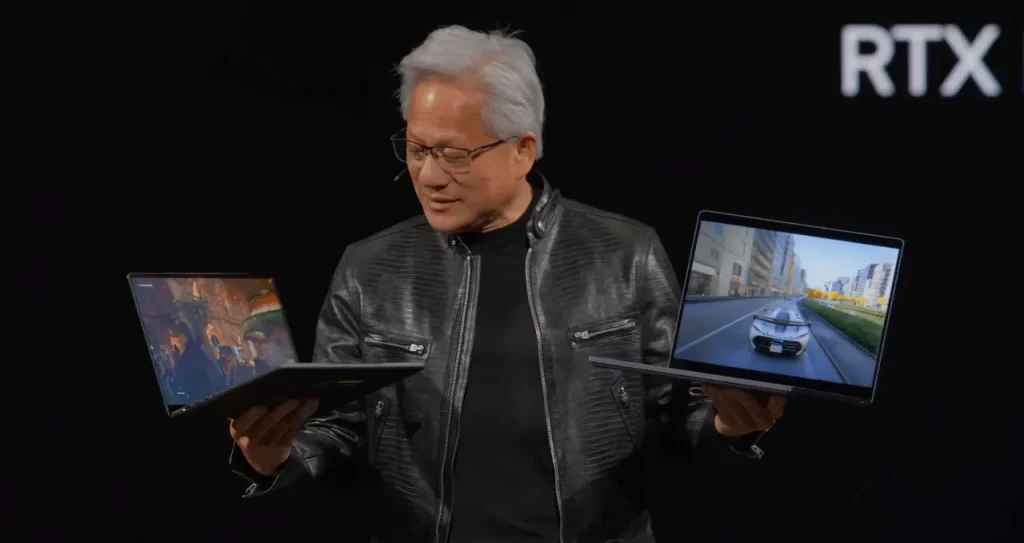
Nvidia advertises 1440p gaming at more than 100 frames per second with ray tracing and DLSS, 12K video editing and local 4K AI video generation. Electronic Arts, Embark, Ubisoft, Krafton, NetEase, Riot Games and Xbox back the platform. Jensen Huang said RTX Spark would run “every single application that Windows has ever run”. That claim needs real-world testing, since compatibility remains the big question for Windows on Arm.
What it means for you
RTX Spark does not aim at the same buyers as Qualcomm’s Snapdragon X, which targets the mainstream. Windows Central describes it as more of an ally than a rival: the more native Arm64 apps appear, the more the whole ecosystem benefits. If you are thinking about replacing a creator or gaming laptop, wait for prices and independent reviews before deciding.
What do you make of Nvidia’s bet on Windows on Arm? Tell us in the comments, and find more PC and hardware news on Wanda-techs.
Share this content: